Buying snorkelling equipment for a holiday can be confusing. There are very simple sets, fins of many different sizes, bulky masks and small accessories whose benefits are not always obvious. In practice, you do not need a huge collection of equipment to begin observing the seabed from the surface. You do need equipment that fits you and is appropriate to the activity you intend to do.
An uncomfortable mask or a snorkel that is difficult to use can spoil a morning at the beach, and a garment chosen solely for its appearance might not protect you from the cold. Before comparing models, consider your swimming ability, how much room you have in your luggage and what kind of supervised activity you wish to undertake. Remember that equipment does not transform a dangerous stretch of coast into a safe place.
The mask: why shape matters
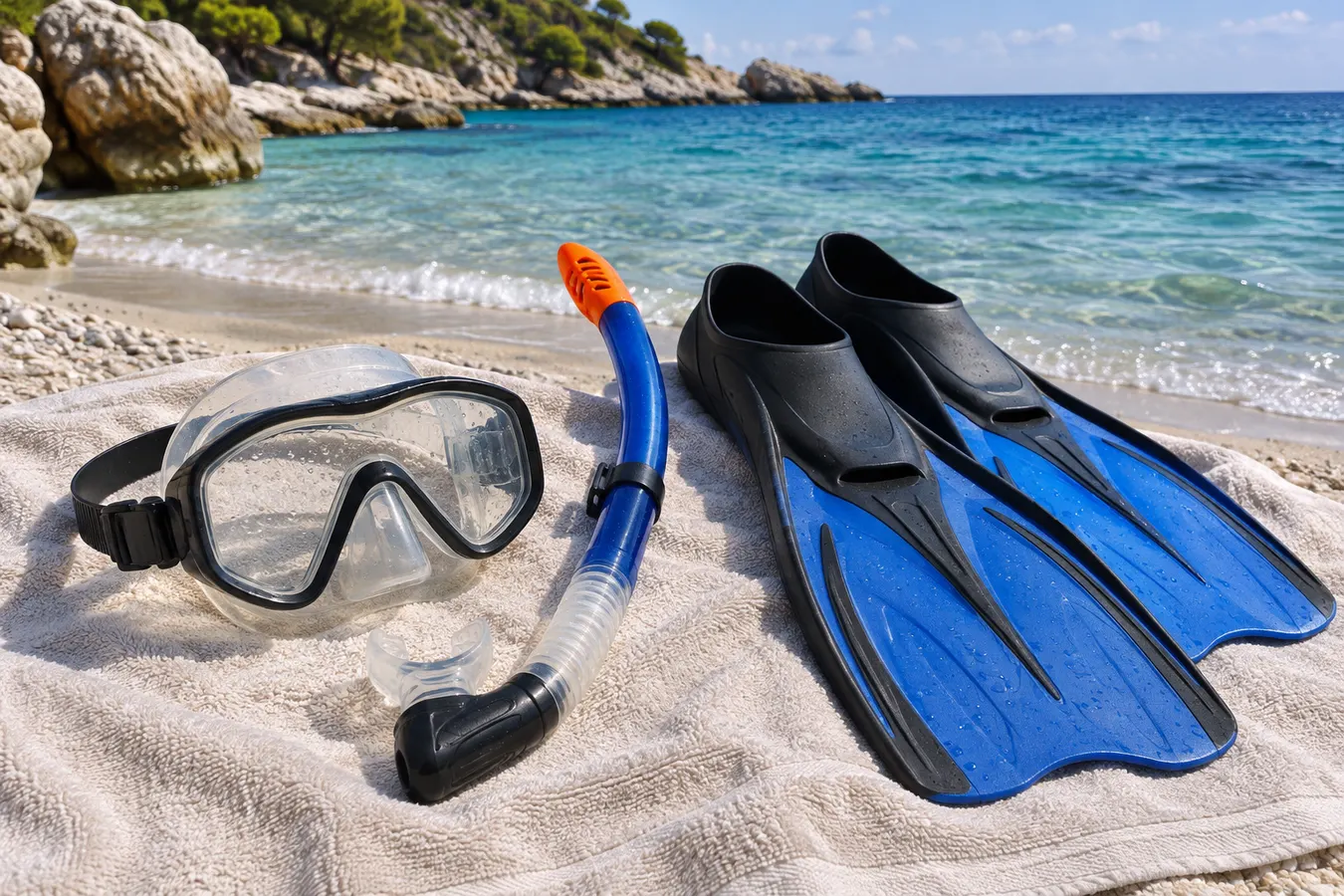
A conventional snorkelling mask covers the eyes and nose, creating an air space in front of them. The skirt fits against the contours of your face and the strap helps hold it in position. A good mask should feel comfortable, without the frame pressing painfully against the bridge of your nose or your forehead.
Two people of the same height and clothing size may find completely different models comfortable. It therefore makes sense to try several shapes and follow manufacturer guidance to check the fit and seal rather than simply relying on a size label.
Your field of vision also varies from one mask to another. There are single-lens and twin-lens designs, along with different side profiles. A wide field of vision is not necessarily the best choice for everybody; aim for a balance between visibility, fit and comfort. If you need vision correction, masks compatible with prescription lenses are available. Seek professional advice when choosing them.
Full-face and conventional masks work differently. Do not assume that every design is appropriate for every kind of swimming. Discuss their limitations, standards and instructions with an instructor, and never use recreational surface masks for underwater dives. If you have any breathing difficulties, remove the equipment immediately and end your session.
The snorkel and its mouthpiece
A snorkel allows you to breathe through your mouth with your face pointing towards the seabed and the top of the tube in the air. There are simple tubes and designs with features intended to reduce water entry or help clear water. The latter involve additional components that need to be checked and maintained properly.
The mouthpiece should rest naturally in your mouth. If you feel you must clench your jaw continuously to keep it in place, this can become uncomfortable even on a comparatively short outing. The tube also needs to be positioned as instructed, without pulling on the mask.
Before going into the ocean, become familiar with the equipment under supervision in controlled conditions. You need to be able to breathe normally, remove the snorkel and tell your companion if you need to stop. Never improvise with a longer tube or modify the breathing system. An apparently simple alteration can make it dangerous.
Related reading: Marine wildlife of the Canary Islands: fish, turtles and Atlantic habitats.
Fins: bigger is not always better
Fins increase the surface area used to propel a swimmer. For recreational snorkelling from a beach, moderately sized fins are usually manageable. Longer and stiffer designs take some getting used to, occupy more luggage space and may be inappropriate for a beginner.
There are full-foot fins and open-heel fins using different fastening systems and, depending on the design, compatible footwear. Booties can protect feet from rubbing and some uncomfortable surfaces at permitted access points, but they do not justify walking over algae-covered rocks or trying to enter during rough seas.
Size matters particularly in the water. A fin that is too tight can cause discomfort, and one that is too loose may move on your foot. Try them on in accordance with the instructions, wearing the appropriate water shoes if required by the particular design.
Using fins involves swimming skills and practice. Do not purchase the most demanding designs thinking they will allow you to overcome any current. If the sea conditions present a problem, the solution is to stay out of the water.
Dressing for sunlight and water temperature
Although Tenerife experiences many days with pleasant temperatures on land, it feels different when you spend time in the ocean. How long you remain comfortable depends on the season, your activity, the wind and your individual response to the cold. Some people enjoy a short session in a lightweight garment, while others need additional thermal protection.
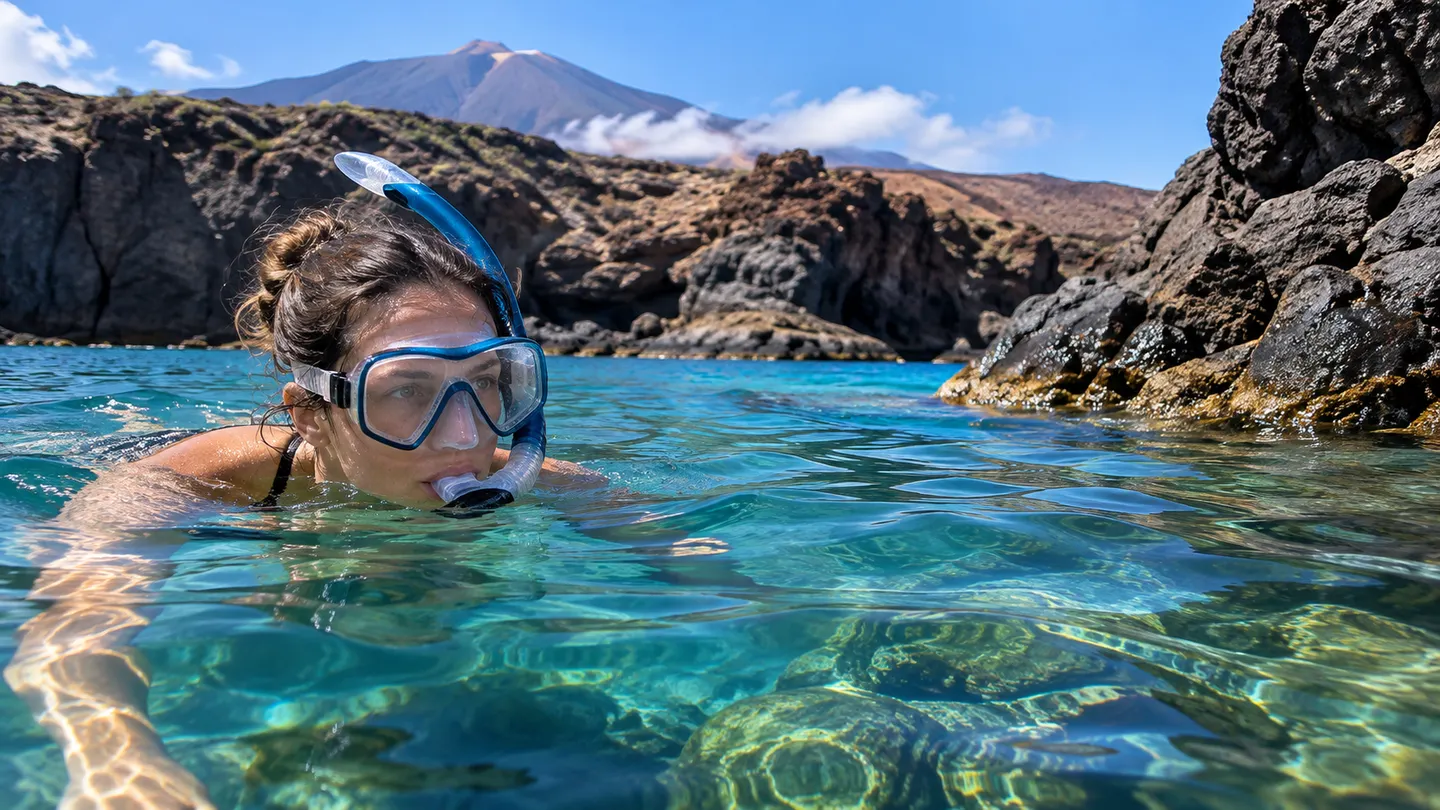
A suitable wetsuit can reduce heat loss, and sun-protective swimwear helps cover areas exposed to sunlight while you look down at the seabed. Find out what garments are appropriate to your conditions and abilities. A wetsuit provides some buoyancy but should not be considered a lifesaving device.
Your clothing must allow you to breathe and move your arms and legs comfortably. Wearing something excessively tight is not a solution if you are cold. As soon as you experience tiredness, shivering or discomfort, return to land, dry yourself and rest.
For your time at the beach, add sun protection, a hat, sunglasses, drinking water and dry clothes. Sun exposure continues once you get out of the sea, particularly when planning a long day with journeys on foot.
Flotation and visibility equipment
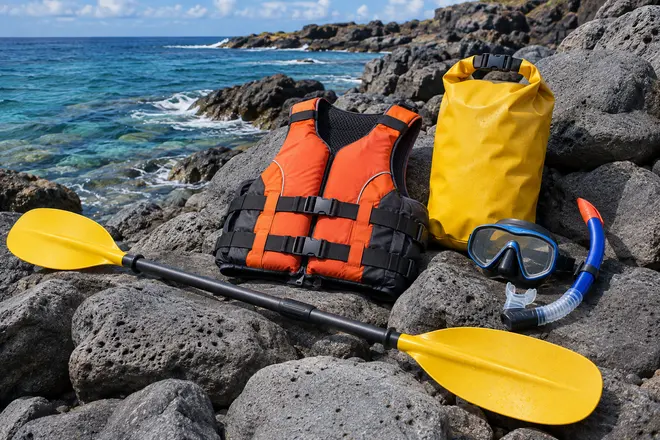
A flotation aid designed for snorkelling can help certain participants remain comfortable on the surface. Its selection and use need to be appropriate to the activity and based on suitable guidance. Flotation devices do not all serve the same purpose, and certain models require active participation by the wearer.
Some activities employ signalling equipment to warn others that there are people in the water. Find out what is required by local rules or appropriate to the specific environment. A visible signal does not give you permission to occupy navigation channels or swim outside designated areas.
Avoid wearing weights for observation from the surface. Recreational snorkelling does not require you to reach the seabed or practise breath-hold diving. If you are interested in pursuing a different activity, seek specific training rather than more complex equipment.
Hiring equipment or bringing your own
If you snorkel frequently and know your mask well, travelling with it may save time making adjustments during your holiday. Fins occupy more space and could be a reason to consider hiring some instead, as long as you can find suitable equipment of the correct size and in good condition.
For a guided activity, ask whether all equipment is provided and whether the available sizes accommodate adults and children. Find out how it is cleaned between users. Masks and mouthpieces come into contact with people's faces and mouths, so hygiene deserves as much attention as their outward appearance.
Whether the equipment is yours or has been supplied to you, check for visible damage, worn straps and loose connections before using it. If something does not function properly, request a replacement instead of trying to modify it yourself.
Looking after your equipment after each outing
Salt and sand remain on equipment once you get out of the sea. Rinse each item in fresh water following its care instructions. Let equipment dry in the shade before packing it away, and avoid putting it beneath heavy objects that could deform it.
Do not carry your mask in the same pocket as keys or other objects that might scratch the lenses. Check over fins and fastenings before putting them in your luggage. A little care after a swim helps extend the life of your equipment and reduces surprises on your next visit.
Finally, prepare a short packing list rather than a collection of accessories. A mask that suits your face, an appropriate snorkel, comfortable fins and suitable exposure protection, combined with swimming experience and supervision appropriate to your ability, make a more sensible starting point than having the most sophisticated equipment on the beach.
Explore next: Snorkelling in Tenerife.