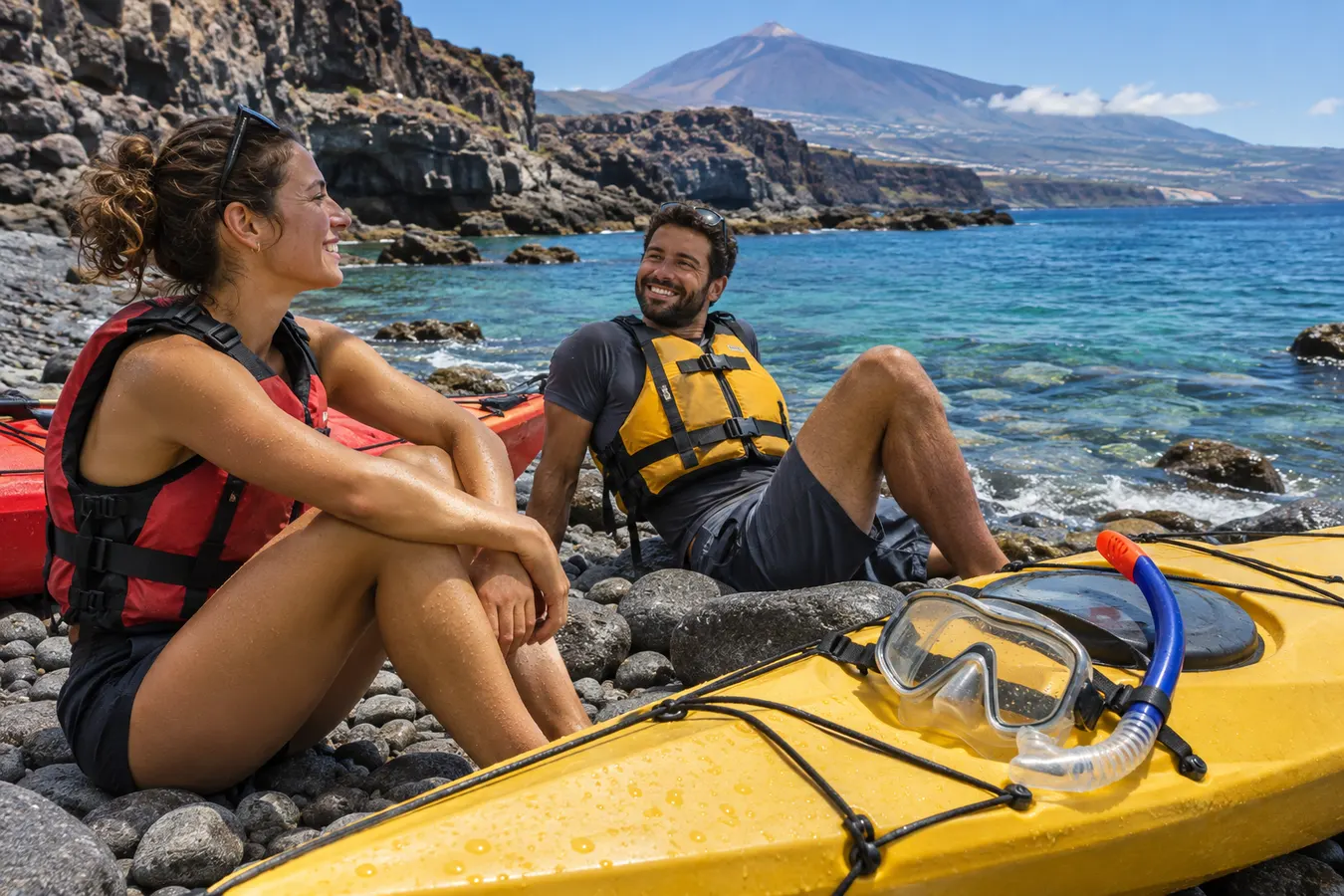
From a kayak you appreciate the height of the cliffs, the outline of a little bay and differences in colour between open water and the water near the shore. With a mask, by contrast, the horizon disappears and your attention turns to the seabed. Combining the two perspectives on a trip to Tenerife allows you to get to know a coast in two very different ways.
This combination can be achieved on a professional excursion specifically designed to include both activities or by doing kayaking and snorkelling at separate times, each from its own access point. These are not equivalent plans. Paddling comfortably as part of a group does not mean you know how to get into the water and back onto a boat, and being accustomed to swimming does not guarantee you can handle a sea kayak.
Two formats worth distinguishing
On some excursions, kayaking is the main activity, with the possibility of a stop for snorkelling as long as conditions allow. Organising such a trip involves more than picking an interesting spot on a map: there must be arrangements for access, kayak management, getting back on board and assisting people who prefer to stay on their kayak or are unable to continue.
Alternatively, you could plan a kayak session from a designated launching area and a visit to a beach at another point in the day. This second possibility allows you to get changed, have a rest, eat something and judge the swimming conditions separately from those for paddling.
If this is your first visit to the island, there is no need to include both experiences in the same outing. Some people might find it more enjoyable to paddle one morning and try snorkelling at a lifeguarded beach the following day, particularly when travelling with people of different levels of experience.
Before choosing an excursion, find out where it begins, how long it lasts, what level of ability is required and whether the stop for snorkelling is optional. A description featuring snorkelling as part of the itinerary does not guarantee that it will always be possible.
Tenerife's landscape shapes the route
The coast features high cliffs, small coves, developed stretches of shoreline and beaches with more straightforward access. The scenery of Los Gigantes, for example, can be wonderfully dramatic from a boat, but that does not make the foot of the cliffs a suitable place to swim. Certain areas offer limited landing options, boat movements and conditions that can change.
On the coast around Los Cristianos and other southern resort centres, marine traffic is another important consideration. Kayak launching areas and swimming areas may serve different purposes. Do not assume that you have permission to cross a navigation channel by swimming simply because you arrived in a small craft.
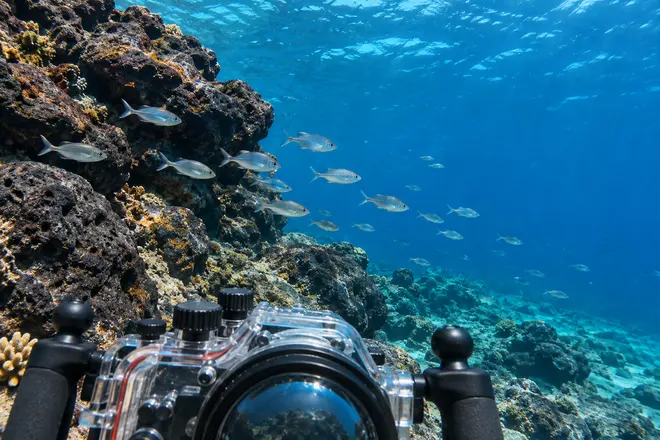
Related reading: Underwater photography while snorkelling without disturbing wildlife.
Places such as Abades or the beaches of Guía de Isora may fit into a coastal itinerary when appropriate to the planned activity. No location deserves to remain on a programme regardless of the state of the sea. Seek local guidance and respect the limitations of each beach.
The kayaking session: preparation and priorities
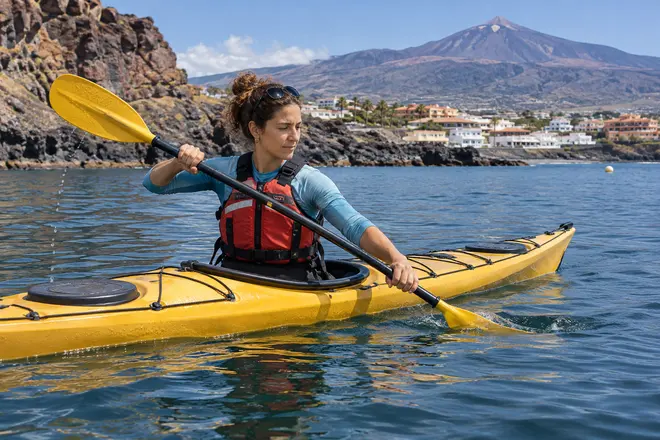
Kayaking equipment and snorkelling equipment complement each other but are not interchangeable. Wear a suitable flotation device for sea kayaking and follow the instructions of the person leading the outing. Carry an appropriate means of calling for assistance and tell someone on land where you are going and when you expect to return. If you lack experience in this type of paddling, seek tuition or take part in a supervised session.
In a tandem kayak, coordination between the occupants forms part of the experience. The fact that one person is stronger does not mean they should ignore the other participant's pace. Stops and routes should be appropriate to the abilities of the whole group, not the distance the most capable paddler could cover.
Wear clothing suitable for exposure to sun, wind and water. Drinking water, a dry layer and sun protection will be useful afterwards. Any equipment you bring on board needs to be stowed securely in accordance with the kayak's design and the relevant safety guidance. Do not load the craft with objects that restrict movement or complicate an unexpected fall into the water.
When it is time to snorkel
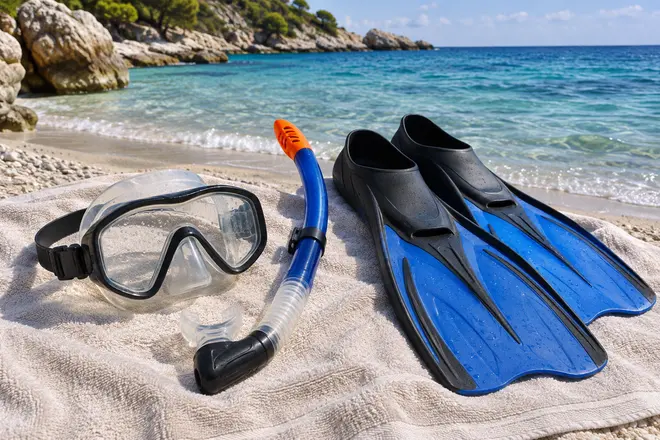
Getting off a kayak to snorkel involves managing a boat at sea. Carrying a pair of fins in your bag is not enough. There must be an established procedure for keeping both the participants and craft safe and for getting back on board. Learning this procedure for the first time in open water, without having practised and without supervision, is not a good idea.
Do not abandon a kayak to follow a turtle or search for fish. Changes in wind, swell, currents, visibility or boat traffic can make a planned stop unsuitable. On a guided activity, follow the organiser's instructions, even if that means returning to land without ever putting on a mask.
When the snorkelling takes place from a separate beach, it is easier to assess the access before entering. Choose a permitted lifeguarded swimming area, be accompanied and do not go beyond what your experience allows. If there are signs prohibiting swimming or you cannot identify a safe exit, remove this part of the day from your plans.
Wildlife keeps to its own timetable
An outing combining kayaking and snorkelling might raise expectations of seeing turtles or dolphins. It is worth distinguishing between the landscapes you visit and the animals that might be there by chance. Groups of cetaceans move freely and are covered by specific protection rules. Do not paddle towards them, cross their path or get into the water to swim towards them.
Turtles also need space to rest, feed and come up for air. If one appears near the group, do not change direction to move closer or encourage the others to surround it. Avoid any attempts to attract wildlife with food.
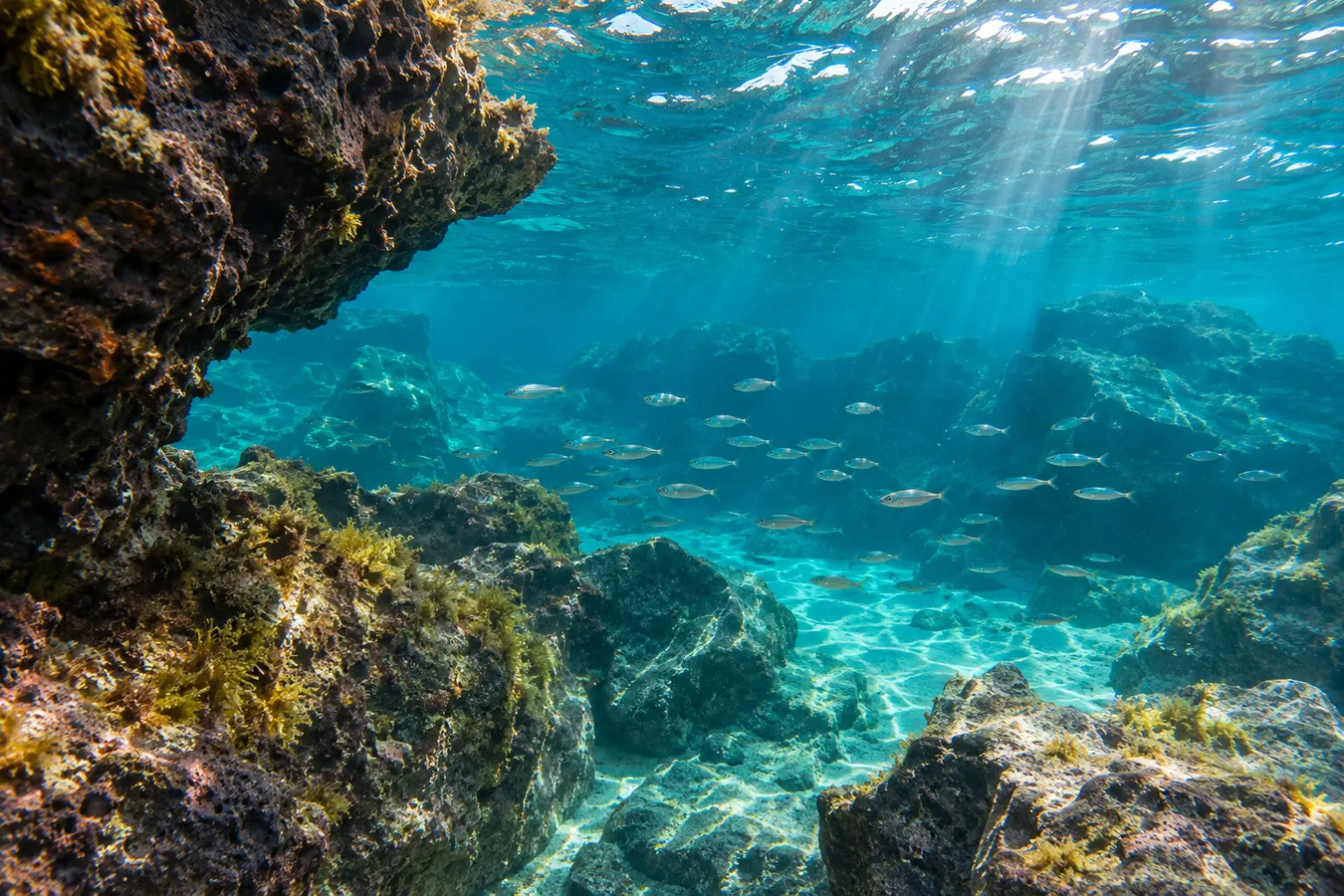
From the kayak you can appreciate details of the shoreline even when there are no large animals in sight. Lava surfaces, changes in seabed colour and the movements of seabirds all offer interesting subjects without requiring you to alter your route. During a potential snorkelling session, smaller fish and marine vegetation can complement that first impression.
Time, exertion and relaxation
The effort involved in one activity affects the next. Having paddled for some time and finding yourself tired before putting on your fins is a perfectly valid reason not to go swimming. Exposure to cold is also important: after getting wet, you may need a break on land before returning to the sea.
Plan the day without booking another activity or visit immediately afterwards. Changing clothes, drinking water and putting away equipment all require time. Some people will need longer breaks than others, especially if they are not accustomed to spending several hours outdoors.
If travelling with children or people who would prefer not to do both activities, try to arrange an alternative plan on land near the activity locations. Ask about minimum ages, required swimming ability and options for someone who decides not to take part in a stop in the water. An enjoyable day means being able to end your participation without feeling under pressure.
Choosing a date during your holiday
A trip to Tenerife can include days on the coast and others spent inland, and alternating these different settings is particularly useful when planning marine activities. Consult coastal forecasts and leave yourself enough free days to change your programme. A walk, a village visit or an inland excursion can replace an activity cancelled because of unsuitable sea conditions.
Do not confuse a combined excursion with an obligation to complete an itinerary. A kayaking session well suited to everyone's experience and a short snorkel on another occasion are preferable to a long day involving too many demands. This way you can pay attention both to the shape of the island above the water and to the world hidden beneath its surface.
Explore next: Snorkelling in Tenerife.