A sunny beach is the picture that usually comes to mind when planning a holiday in the Canary Islands. Someone who intends to spend much of their time holding a paddle, wearing fins or exploring on foot faces a rather more interesting choice. The sheltered southwestern shore of Tenerife bears little resemblance to Fuerteventura's dunes. Spending a day below the imposing cliffs of La Gomera is a different proposition from an early swim at a city beach in Gran Canaria.
No single island offers the best conditions for every marine activity on every day of the year. Start by thinking about the kind of holiday you enjoy, your level of experience, the location of your accommodation and the things you could do if Atlantic weather prevents you from going out on the water.
Tenerife for a varied outdoor holiday
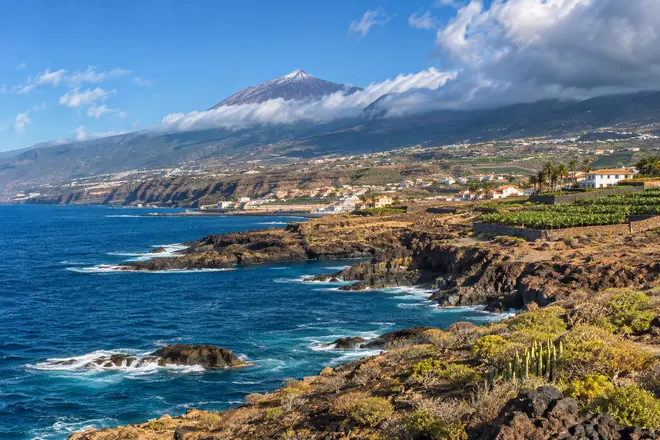
The largest island in the archipelago offers plenty of geographical variety without requiring a crossing to another island. The south and southwest have resort towns with extensive visitor facilities, coastal promenades and accessible beaches. Los Cristianos and Costa Adeje make it possible to stay close to the sea without needing to drive long distances each day. Further west, the scenery changes to the dramatic vertical faces of Los Gigantes. El Médano, on the southeastern shore, is a rather different town associated with wind-powered sports.
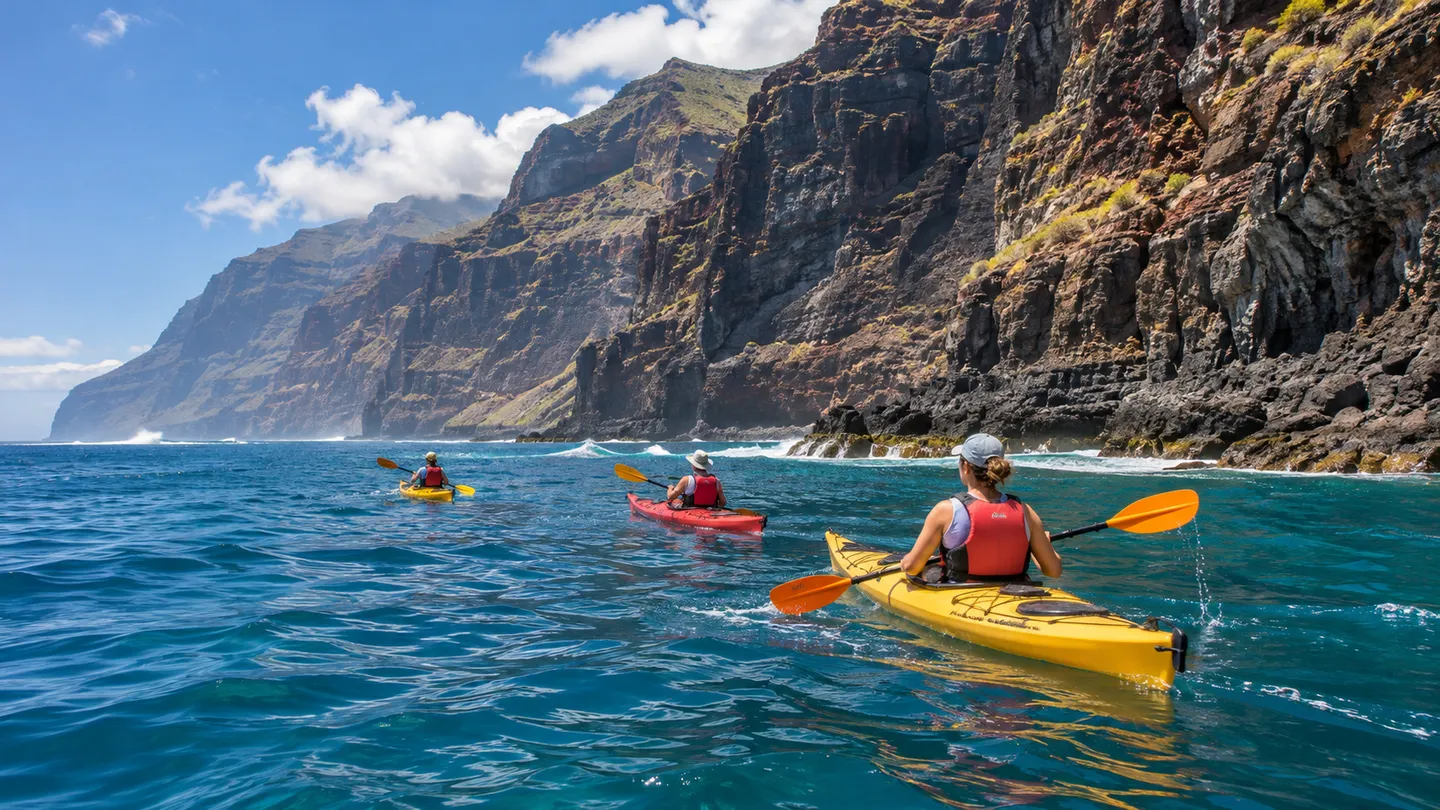
An introductory kayaking session fits particularly well into a holiday with several spare days for finding the right conditions. Not every beach permits launching kayaks or offers the same degree of shelter. Fine weather on land is no guarantee that the wind and sea will be suitable for paddling.
Tenerife has another obvious advantage for groups with different priorities. While some travellers concentrate on snorkelling, others might explore the volcanic landscapes, the trails of Anaga or the villages in the north. The success of the entire holiday does not depend on getting out to sea.
La Gomera: valleys meeting the ocean
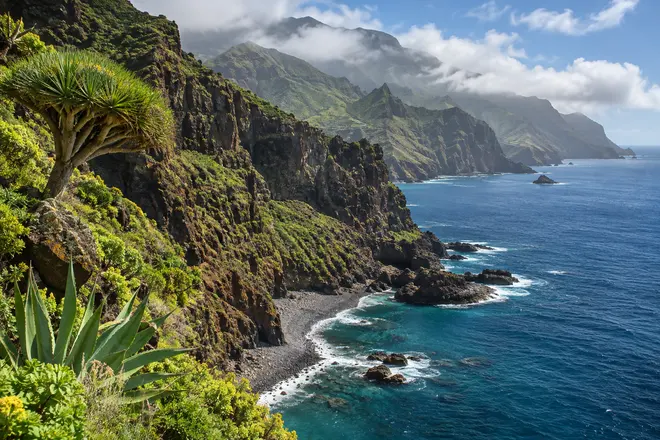
The outline of La Gomera explains much about its distinctive character. Valleys descend between steep slopes until they open out onto the ocean. There are small coves, pebble beaches, dark volcanic sand and cliffs whose approaches are not always straightforward. This is not the easiest destination for travellers expecting one long sandy beach after another.
Playa Santiago offers a coastal base in the south; Valle Gran Rey in the southwest combines fishing neighbourhoods, terraces and paths into the valley. San Sebastián is the usual gateway for visitors arriving by ferry from Tenerife. There, a stroll along the waterfront is possible without having to cross the whole island.
Part of the appeal of La Gomera is moving between mountain and coast. The woodland of Garajonay contrasts with the drier ground behind some of the beaches. Visitors spending a few days on the island can replace a marine activity with a walk through the laurel forest if the weather changes. The roads twist and climb, so it makes a great deal of sense to stay near the places where you intend to spend most of your waking hours.
Related reading: Exploring La Gomera by the sea: beaches, kayaking and coastal landscapes.
Gran Canaria: convenient beaches and diverse scenery
Gran Canaria is an excellent choice if you want to retain the convenience of a city. Las Palmas has Las Canteras, a long beach with a natural reef that influences waves entering part of the bay. In suitable conditions, sheltered sections attract people interested in looking at fish and rocky habitats from the surface.
The south of the island faces in a different direction. Beaches, small ports and holiday towns extend from the area around Maspalomas towards Mogán. In some of the smaller bays it is easier to organise a short day out, meet up with relatives who are not participating in water sports, and find a convenient place for a meal or some rest.
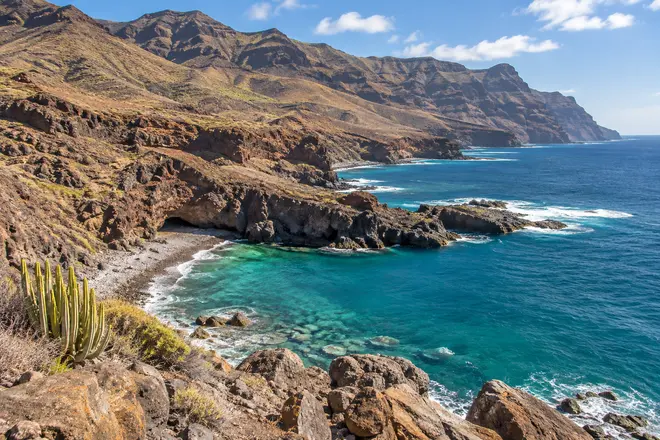
Meanwhile the western side of Gran Canaria has stretches of rugged shoreline where access is nothing like that of the resort beaches. Variety should not be mistaken for a uniform, navigable coastline. Anyone intending to kayak needs to identify an authorised launch point, avoiding designated swimming areas and boat traffic.
Lanzarote: lava, coves and little horizons
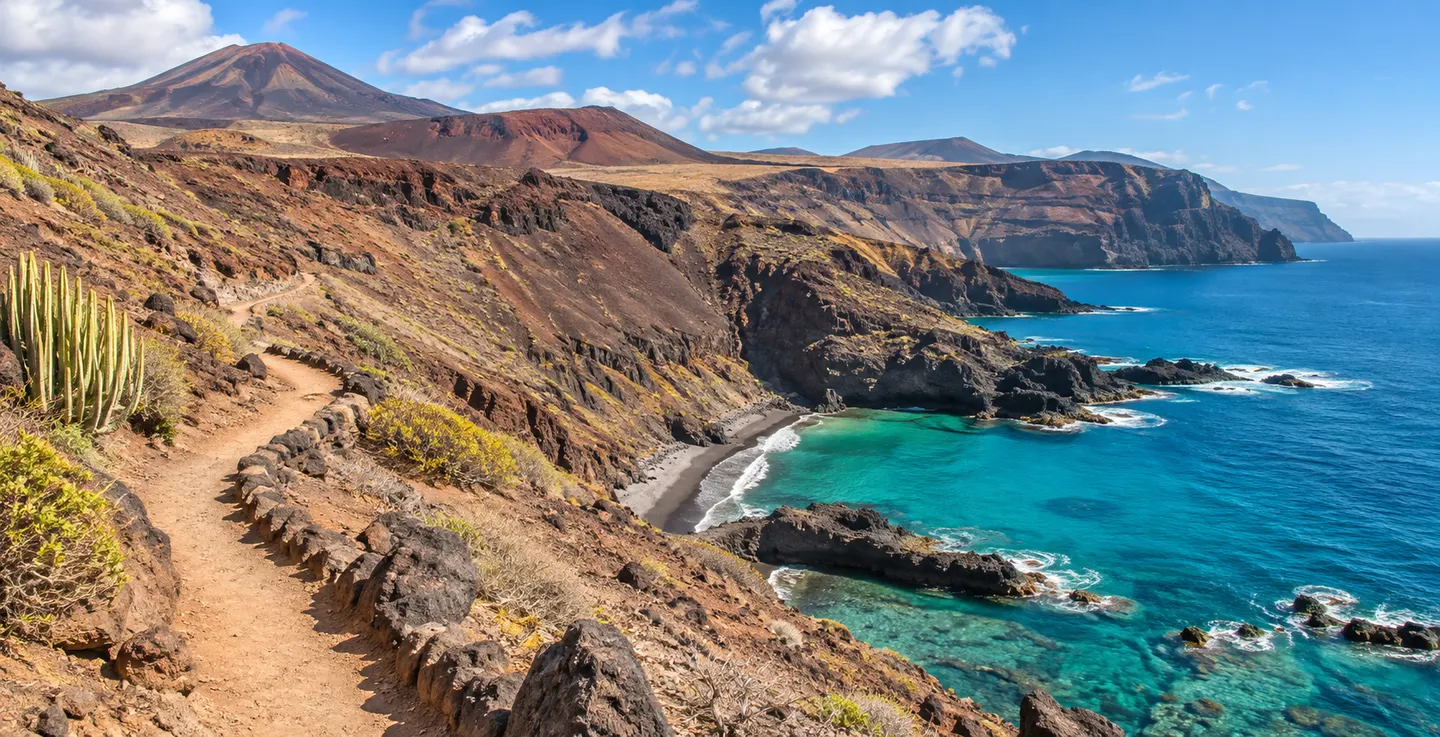
Dark stone and the contrast of clear water dominate much of Lanzarote's scenery. Playa Blanca, in the south, is a sensible base for alternating coastal walks, beach days and activities on the water. The group of coves at Papagayo is particularly remarkable for its landscape. It lies within the protected area of Los Ajaches and calls for a respectful approach.
Further north, Famara offers a very different stretch of open, exposed coast. Its waves are part of its appeal to certain sports enthusiasts, rather than an invitation for visitors to swim far from shore. The surrounding cliffs are worth admiring even on a day when walking on the beach is the only feasible activity.
Lanzarote also allows you to spend time among the lava flows, white-painted villages and walking trails inland. Changes in the wind can upset any schedule. If your reservation arrangements allow a planned water activity to move to another day, you stand to gain more from your holiday than by holding stubbornly to a fixed timetable.
Fuerteventura: big beaches and wind sports
The open landscapes of Corralejo and Sotavento create an impression of ocean views that go on forever. The dunes in the north and the Jandía peninsula in the south offer two quite different ways to discover the island. Fuerteventura is especially interesting to anyone who wants to walk long stretches of beach or take lessons from qualified instructors in wind-powered sports.
However, the length of a beach does not tell you whether it is suitable for paddling or swimming. Some locations experience very strong wind while others have swell and currents that can create dangerous circumstances. Cofete, on the western side of Jandía, is a spectacular example of somewhere worth visiting for the view from dry land. Its beauty should not be confused with a calm swimming beach.
Your accommodation also matters. Corralejo puts the northern beaches close at hand, while Costa Calma or Morro Jable make useful bases for exploring Jandía. Trying to cross the entire island in the car every morning adds hours of travel and reduces the flexibility to make the most of a spell of suitable weather.
La Palma and El Hierro for marine nature enthusiasts
The coast of La Palma is characterised by volcanic sand, small harbours and sea pools. On the western side, Puerto de Tazacorte stands beneath striking cliffs, with scenery very different from that of the northern swimming areas at Charco Azul and La Fajana. The mountainous interior provides a wonderful alternative when a day on the water is impossible.
In El Hierro, much of the coast is made up of cliffs and rocky shoreline. La Restinga has long been associated with underwater exploration and the marine reserve at Mar de las Calmas. Wildlife enthusiasts value the opportunity to observe marine life around volcanic seabeds. Activities must remain within the areas and uses permitted by the protected site.
These islands invite a different pace of travel from the larger holiday destinations. It helps to plan accommodation, transport and specialist activities ahead of time. Staying near a beach or sea pool means that you can see conditions for yourself before deciding whether getting into the water is feasible.
Make the decision according to your main activity
The choice becomes much more manageable once you decide on your priorities. Tenerife and Gran Canaria have extensive tourism infrastructure for a holiday that combines introductory kayaking with other visits. If you are particularly fond of dramatic contrasts between dark terrain and clear water, Lanzarote is an appealing alternative. Fuerteventura stands out for long beach days and wind sports. La Gomera, La Palma and El Hierro invite travellers to discover marine landscapes at a quieter pace and include some time exploring inland trails.
None of these preferences takes the place of assessing real conditions. Check the marine forecast, pay attention to signs and beach warnings, and follow lifeguards' instructions. Those who lack open-water experience should start with qualified assistance and avoid paddling alone. Choosing an island that continues to interest you even when a morning cannot be spent in a buoyancy aid or a pair of fins is the best way to make sure your holiday does not depend on perfect weather.
Explore next: Where to stay in Tenerife for active holidays.