An active trip to Gran Canaria might begin in a city with an early-morning walk along Las Canteras and continue several days later beneath the rocky mountains of the western coastline. The distances between such very different landscapes are remarkably short. This geographical variety suits travellers who love water activities, long walks and day trips without needing to turn every day of their vacation into an endurance challenge.
When planning your holiday, it is helpful to think in terms of three settings: the capital and its urban beach, the resorts along the south and southwest, and the wilder coast to the west and north. Access to the sea is different in each. Winds and swimming conditions, harbour activity and the possibilities for spending an afternoon on dry land also vary considerably.
Las Canteras: looking beneath the water beside a city
Las Canteras occupies much of the western seafront of Las Palmas de Gran Canaria. Its promenade links residential areas, shops and restaurants within a few steps of the sand. You can start the day with a walk by the water without ever needing to arrange a journey by car.
One unusual feature of this beach is La Barra, a natural reef situated opposite part of the shore. Its presence influences the waves in the area behind it. The length of the beach encompasses several very different sections, including more exposed stretches with a longstanding association with surfing.
Those interested in snorkelling can investigate the designated swimming areas and ask the lifeguards for local advice. The rocky and sandy seabeds support different communities: fish looking for shelter in crevices are not necessarily the same species visitors see swimming over sand. Visibility changes according to the tide and the movement of the water.
Seeing these underwater landscapes does not require stepping onto La Barra or approaching breaking waves. Parts of the area may be subject to environmental protection restrictions. Those who have never snorkelled before should seek instruction from someone qualified. Staying within suitable swimming areas on a calm day offers a much more enjoyable experience than trying to reach some distant point.
Learn to paddle along the southwestern coast
The shoreline between Arguineguín and Puerto de Mogán is known for its coastal towns and little bays. On land you can see how the mountains descend steeply towards the ocean. Puerto de Mogán, near the western end of this resort corridor, combines a small beach with a fishing harbour and marina.
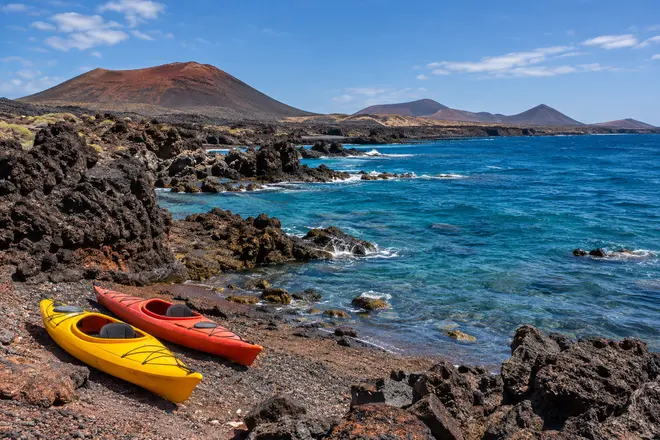
This part of the island makes it possible to organise a water activity without compromising on convenient accommodation. A kayaking session, in suitable weather and from a permitted launch point, might occupy just part of the morning. Other members of the group can walk around the town, visit the beach or spend time along the promenade.
Related reading: Exploring La Gomera by the sea: beaches, kayaking and coastal landscapes.
Hiring a kayak is not the same thing as hiring a vehicle on land. Paddlers enter an environment in which winds and currents have an influence, and other vessels travel faster. Do not cross a harbour or enter a navigation channel without understanding the rules and having authorisation. On a first kayaking experience, professional assistance gives participants a chance to learn how to wear a buoyancy aid, handle the paddle, control the craft and understand what kind of itinerary is appropriate.
Before leaving the shore, check the marine forecast and consider whether the outing matches the capabilities of the least experienced person in the group. Conditions inside small bays can feel sheltered, yet completely different waves and winds might be found on a more exposed section of shore just beyond them.
From Maspalomas to Meloneras without getting wet
The area around Maspalomas provides one of the most distinctive impressions of Gran Canaria. The meeting of sand dunes, ocean and palm groves creates an unusual landscape within a district so widely known for its hotels. You can continue from the lighthouse towards Meloneras, where the coastal promenade provides views of the shore from several perspectives.
The dunes are part of a protected natural area. Their importance does not lie simply in the appearance of the sand: natural processes and the vegetation associated with the dune field are equally valuable. Keep to designated paths and follow any instructions marking the areas in which visitors may walk. Do not create new routes across the dunes in pursuit of a photograph.
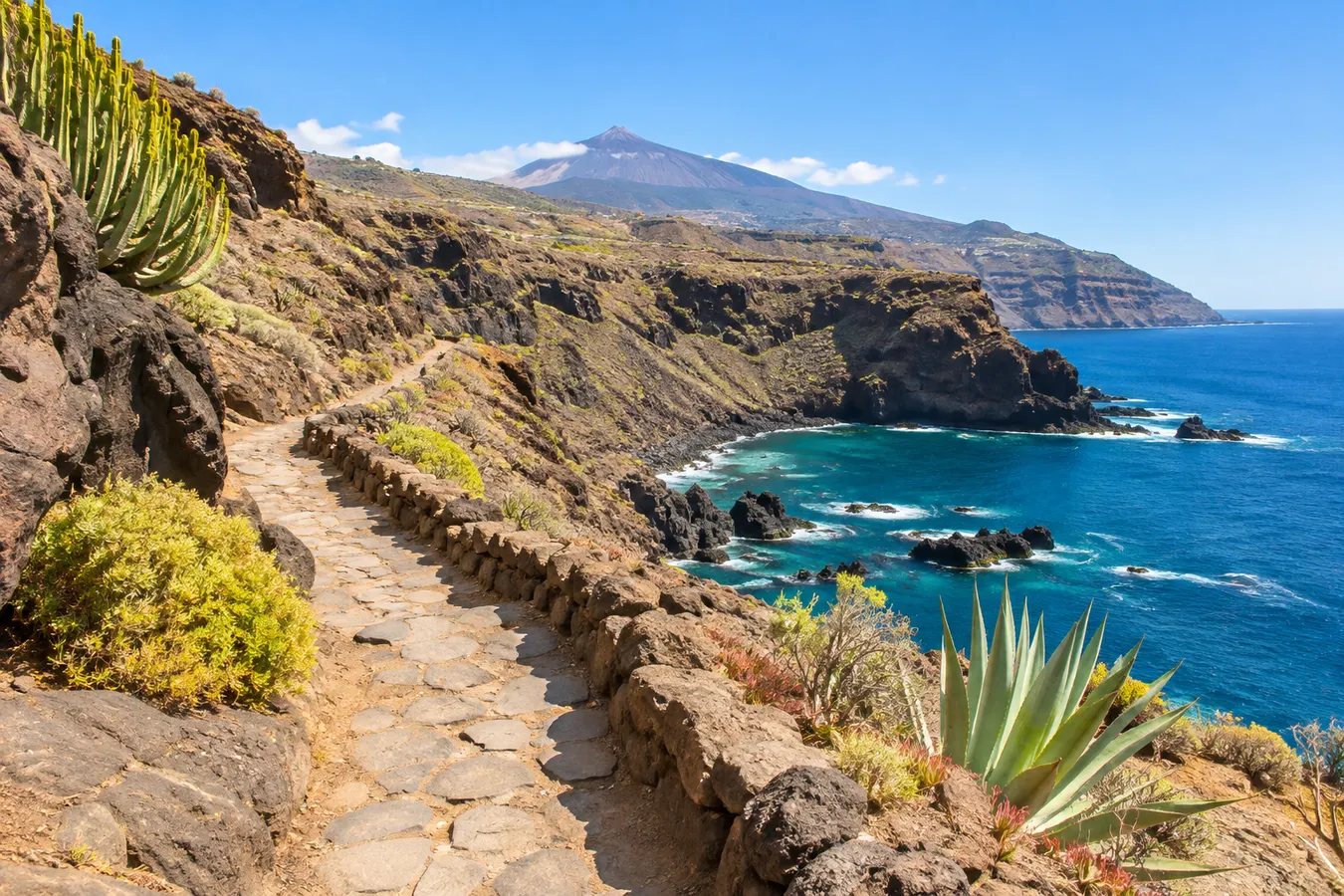
A morning spent walking along the coast makes an excellent replacement for a water sport when the wind is unsuitable. Take comfortable shoes, carry water and protect your skin from the sun. The lack of natural shade can be noticeable even when the air temperature does not seem particularly high.
The western coastline and the area around Agaete
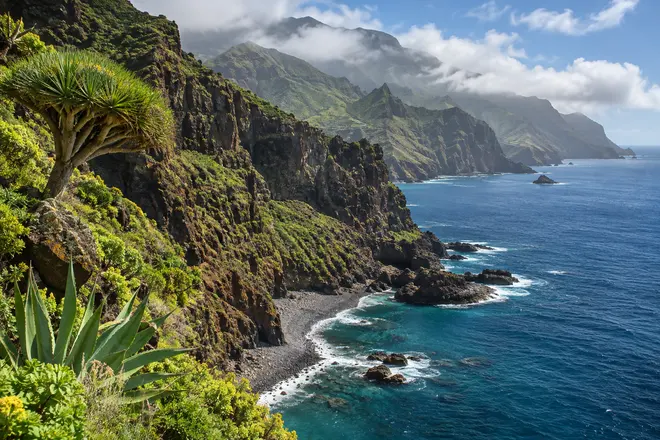
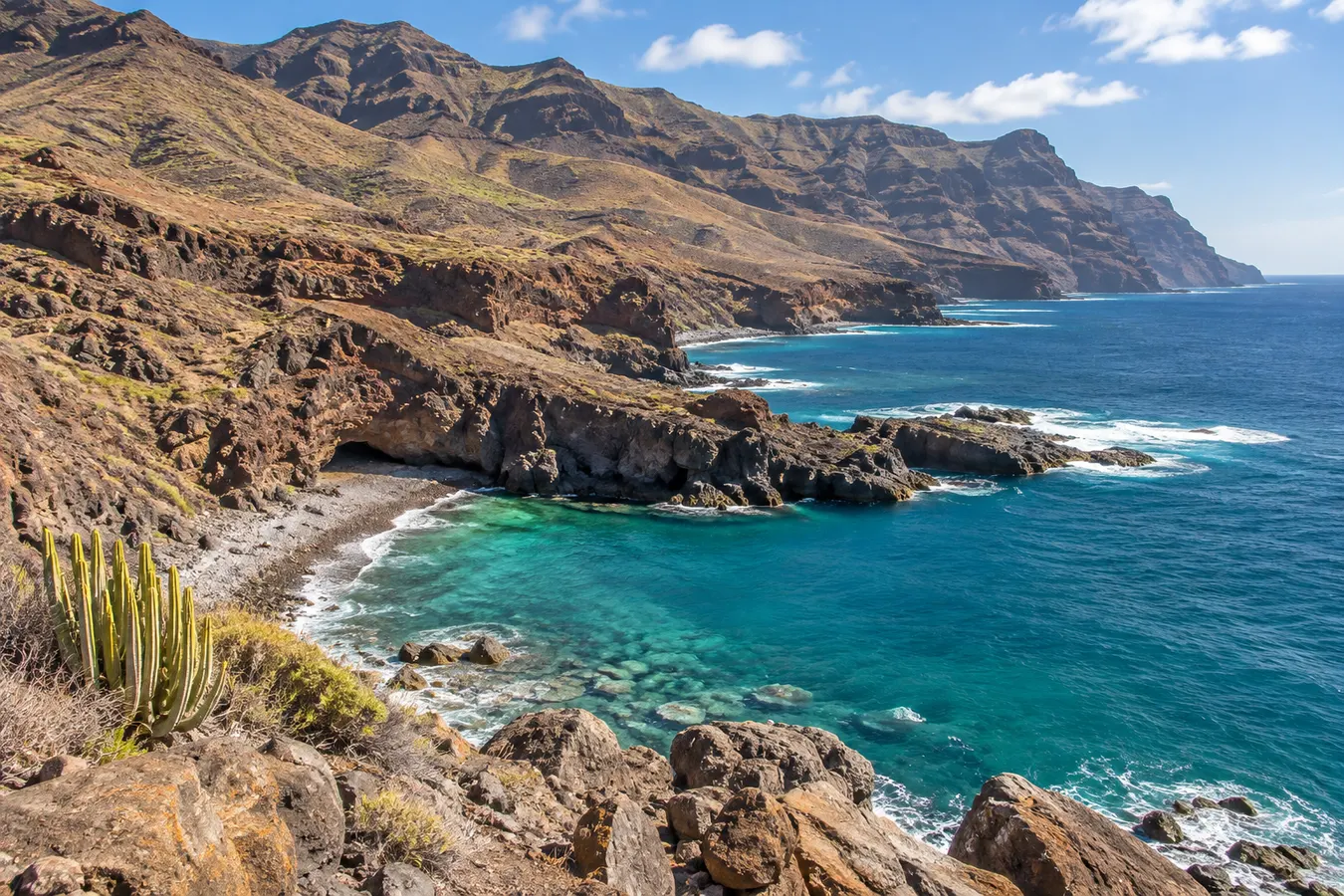
The scale of the coastal scenery changes on the western and northwestern sides of Gran Canaria. You will see cliffs, pebble beaches and ravines opening out close to the sea. Puerto de las Nieves in Agaete reflects much of this maritime character, with a waterfront where ferry activity takes place alongside destinations for coastal walks.
Near Las Salinas there are sea pools formed or adapted among the rocks. They offer opportunities to appreciate the colours of the seabed and the texture of volcanic stone, but should not be confused with an ordinary swimming pool. Waves can wash over the boundaries of the pools and affect conditions. If the facility is closed or the sea is breaking violently over the rocks, stay out.
Authorised viewpoints and paths in the surrounding area offer perspectives on the coastline without any need to approach the edge of a cliff. It is one of those parts of the island where choosing a land excursion instead of a day on the water is hardly a sacrifice.
Where to base yourself for several days
Las Palmas is an excellent choice for anyone who wants to enjoy an urban beach, walking and a broad selection of cultural and culinary experiences. Accommodation near Las Canteras makes a holiday without a car very convenient and allows you to visit the shore early to look at the state of the water.
Travellers with young children or a group with differing sporting interests might prefer a base in the south. Choose a district in which the beach is reasonably accessible and check the actual distance between your accommodation and the promenade. A short distance on a map can conceal a very considerable slope.
Mogán offers a more compact setting and a close connection to the landscape of the southwest. To explore the northwestern shore, a night or two in Agaete avoids spending much of the day crossing the island. With a week to spare, you might combine two of these bases without the inconvenience of moving accommodation continually.
What to check before heading out
The forecast in a general weather application is not always sufficient for deciding whether a water activity is feasible. Check coastal conditions for the specific part of the island you intend to visit, including wind direction and waves. Pay attention to beach flags, designated areas and lifeguards' instructions.
For sea kayaking, your equipment needs to suit the environment and your level of experience. Wear an appropriate buoyancy aid, avoid paddling alone and leave long, exposed routes to people with the necessary training. Snorkel with a companion, well away from places used by marine traffic, and only where prevailing conditions make swimming appropriate.
Gran Canaria has enough interesting places on dry land for you never to feel obliged to go out on the water. Las Canteras, the dunes, the fishing towns and the western landscapes can all contribute to an active week, even if one of the activities you had hoped to try needs to be postponed.
Explore next: Where to stay in Tenerife for active holidays.