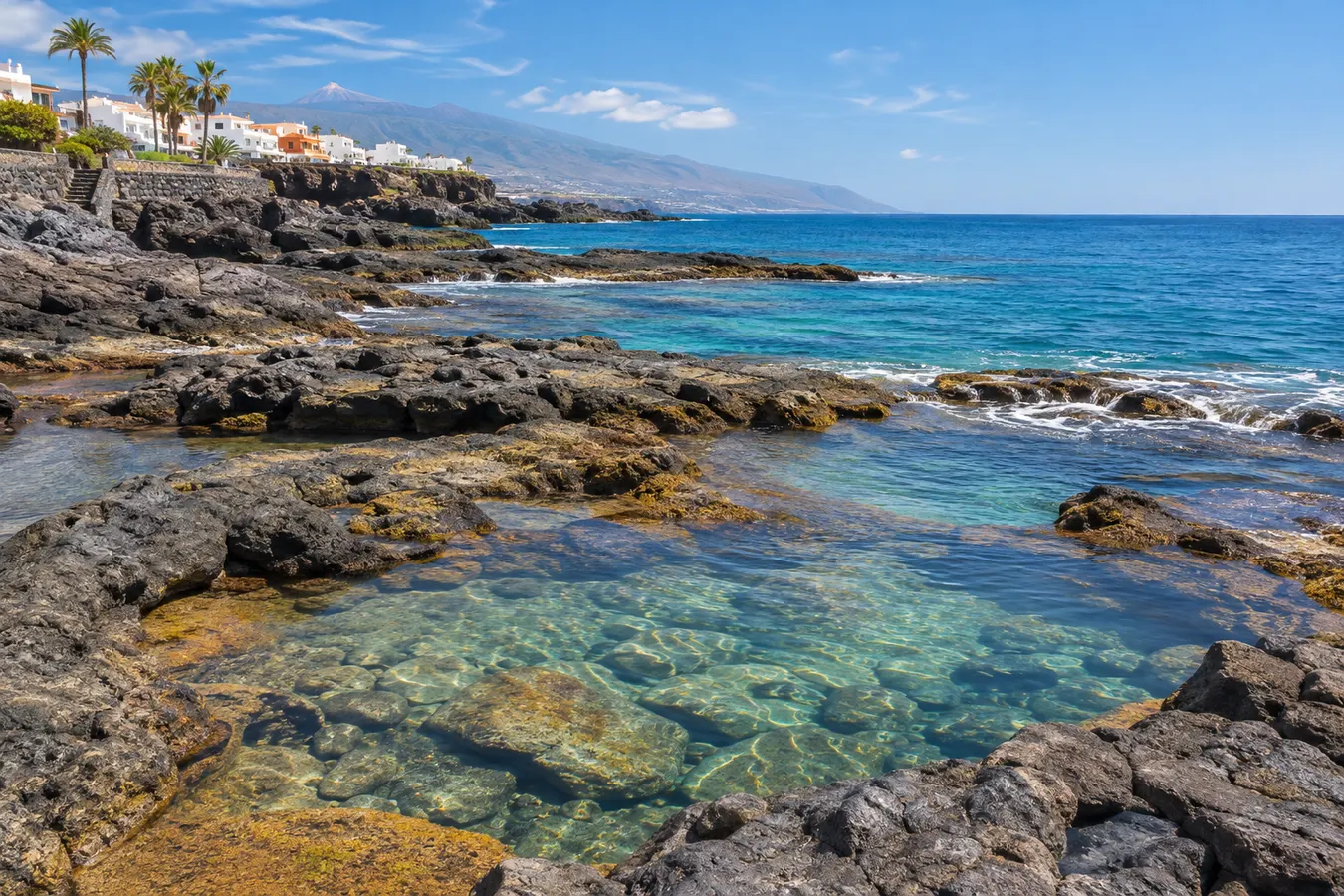
Alcalá is an excellent place to appreciate how the landscape changes as you travel along Tenerife's western side. Around the square and the small fishing pier, village life faces the ocean. Farther north, the seafront extends towards the beaches of La Jaquita, through a coastal setting where lava platforms, dark rock and small patches of sand alternate.
This is not one extensive, uniform sandy beach. Within a short walk you can see several different types of coastline, each with its own access arrangements and characteristics. That variety is of interest to snorkellers: before entering the water they can explore the area, choose an appropriate location or decide to stay out of the sea altogether. Those travelling with people who would prefer to remain ashore can also find an enjoyable way of sharing the day.
Getting to know the village by the sea
Alcalá is part of Guía de Isora, the municipality on the south-western coast that includes Playa San Juan and reaches inland towards several other settlements. The little beach next to the village is a different prospect from the large beaches at the holiday resorts farther south.
Boats operate around the pier. It is important to bear in mind that access to the water near the harbour does not automatically make an area suitable for snorkelling. Look for a designated swimming area clearly separated from navigation, read the signage and keep away from the places boats use to enter or leave the harbour.
Walking towards La Jaquita, you will find other stretches of coast. Some nearby beaches have more facilities than the little cove in Alcalá; this gives you the chance to take your companions' needs into consideration when choosing somewhere to spend time. A person who requires accessible facilities, showers or a comfortable place to stay with children may appreciate the major differences between two locations that appear very close on a map.
Choosing an appropriate moment to enter
The west of Tenerife experiences days when the sea might appear very calm, but it is also reached by Atlantic swell. This can affect areas that seem particularly sheltered from land. As you observe the coast, look at whether waves repeatedly cover and expose the lava platforms, the areas where sea foam remains in motion and how easy it would actually be to get ashore by the same route.
Consult the coastal forecast rather than simply checking the local air temperature or the probability of rain. Pay attention to active warnings, beach restrictions and instructions from lifeguards. When the conditions are uncertain, choose an activity on land. Do not try to find a gap in the rocks that will allow you to avoid entering at a clearly unsuitable spot.
The natural pools in the area deserve particular mention. Their resemblance to little enclosed swimming pools can make it easy to forget that ocean water enters them. They can be affected by waves, changing tides and slippery surfaces. Use them only if permitted and if they are in a suitable condition for swimming. They are not a guaranteed alternative to a beach displaying a red flag.
Related reading: Snorkelling in Abades: a morning above volcanic seabeds.
The world of rocky seabeds
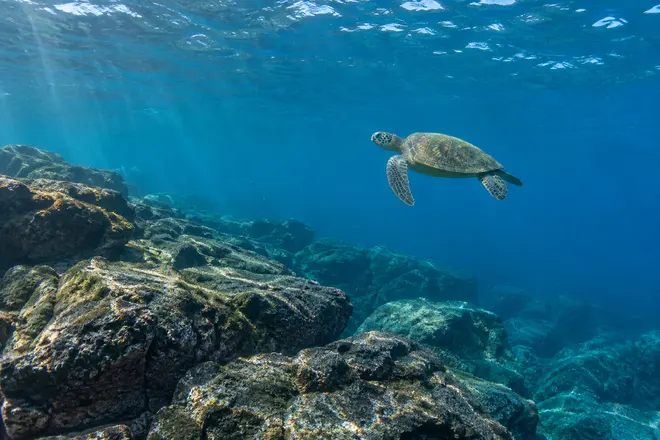
Volcanic shores feature all kinds of textures, fissures and changes in relief below the surface, which help explain why Tenerife appeals to so many people with an interest in the marine environment. In conditions of good visibility, you and your companion might discover little shoals of fish alongside a rocky substrate, within an appropriate swimming area and without trying to reach deeper water.
One way to look at this environment is to pay attention to the contrasts. In the open areas, there is less cover for fish, and they may remain in groups. Near the rocks, you may see shapes appear and disappear. Damselfish are a characteristic part of the Canary Islands' underwater scenery. Silver-coloured fish including seabream and salema can also be seen, although they are not present everywhere or at all times.
Limpets that live attached to hard surfaces become visible when the water recedes in certain intertidal areas. You can observe them from land as long as there are no waves or risks of falls. Avoid stepping on the algae, putting your hands into crevices or removing organisms to examine them. You do not have to handle these creatures to appreciate their part in the coastal ecosystem.
Water clarity can change quickly. Even somewhere the seabed is clearly visible when you arrive, movement of the water can stir up sediment and reduce visibility. Should this happen, return with your companion to a safe exit instead of extending your session.
Preparing an experience suited to your ability
A person accustomed to swimming in the ocean and somebody just learning to breathe through a snorkel should not make the same plans. If you are beginners, start on a lifeguarded beach with straightforward access or look for professional introductory tuition. A calm setting, close supervision and an easy way out of the water are fundamental for this kind of activity.
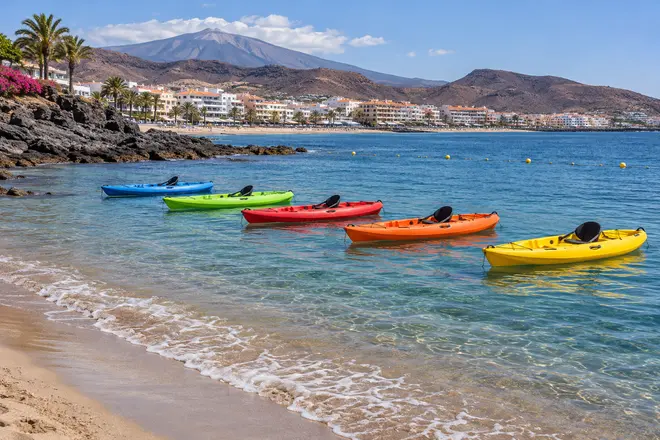
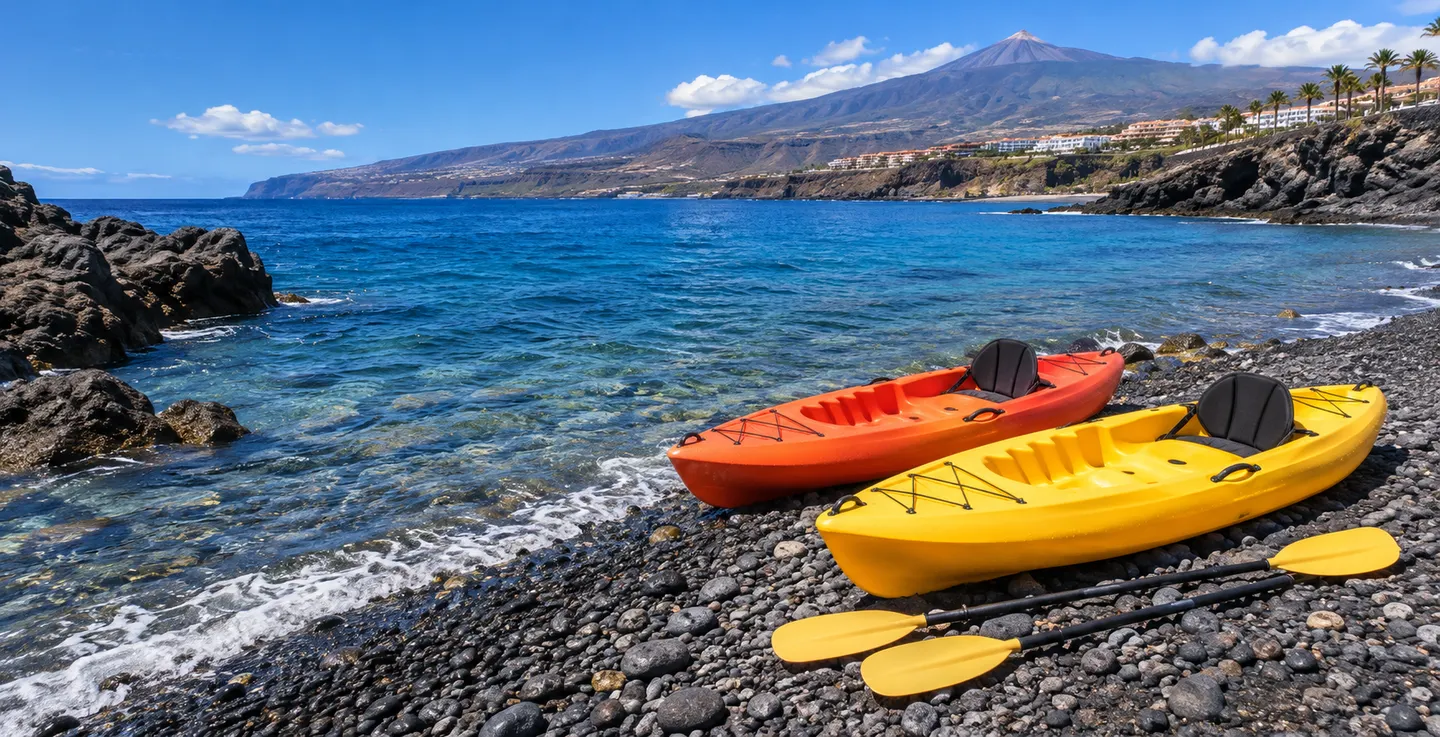
If you are considering a kayaking excursion or a guided snorkelling activity on the west coast, find out in advance where it actually begins and ends. An 'Alcalá excursion' might refer to the village itself or a much wider stretch of Guía de Isora. The access point, minimum age, swimming ability required and type of activity all affect the preparations you will need to make.
Ask about the necessary equipment too. A good mask should allow you to look at the seabed comfortably without having to adjust the strap all the time. Wearing a thermal garment can make you more comfortable, particularly if you are watching the seabed without swimming far; nevertheless, get out of the water if you begin to feel cold or tired. Fins need to fit properly, and you should be accompanied throughout the activity.
Do not plan a swim over a precise distance or try to travel from one beach to another in the water. The shore might look short from the promenade, but getting back onto land can be difficult if there are rocks, harbour areas or sudden changes in sea conditions.
Planning a full day at your own pace
Alcalá gives you the opportunity to plan a day that does not revolve exclusively around going into the sea. Start with breakfast and a walk to introduce you to the setting. If the sea is favourable and everyone taking part is suitably prepared, spend a short time doing an activity appropriate to the group's level of experience.
Afterwards, you could walk towards La Jaquita and devote part of the afternoon to relaxing. Benches and coastal paths offer places to sit and look towards La Gomera when visibility is good. If you get there towards the end of a day out, the atmosphere can be quite different from the one you encounter at midday.
People staying on the west coast do not have to concentrate every marine activity in their plans on the same date. Mixing walks with more active days and keeping some flexibility is a good way to avoid feeling obliged to swim when the Atlantic changes.
What to remember before you head home
Bring dry clothing, drinking water and adequate sun protection; much of the seafront is exposed to light and wind. Keep your personal items somewhere secure out of the water. After swimming, rinse your equipment following the manufacturer's recommendations and allow your mask and fins to dry away from direct sunlight.
If you have seen a striking animal, remember that the encounter was a matter of chance, not an experience that should be repeated at any cost. Avoid publishing instructions that encourage other visitors to gather in small areas and pursue wildlife. Alcalá is worth exploring for its everyday relationship with the sea, its seabeds and coastal scenery, even on the days when the best decision is to enjoy a view of the Atlantic from land.
Explore next: Snorkelling in Tenerife.