The scale of El Puertito de Armeñime might come as a surprise in a region with extensive beaches and large holiday developments. This little volcanic-sand cove in Adeje is known for the underwater world immediately offshore. Over the years it has attracted divers, naturalists and visitors interested in green turtles. Reducing its importance to one particular animal, though, means missing almost everything else that takes place in this ecosystem.
It is worth considering your expectations before you visit. A turtle is not a permanent feature of the landscape, and El Puertito is not an attraction that can guarantee a sighting. It is wild marine life in a relatively small bay, vulnerable to the pressure created when many people visit at once. The best way to appreciate the coast is to understand that fragility and accept that you might be unable to enter the water or see any turtles.
The bay and its seabed restoration project
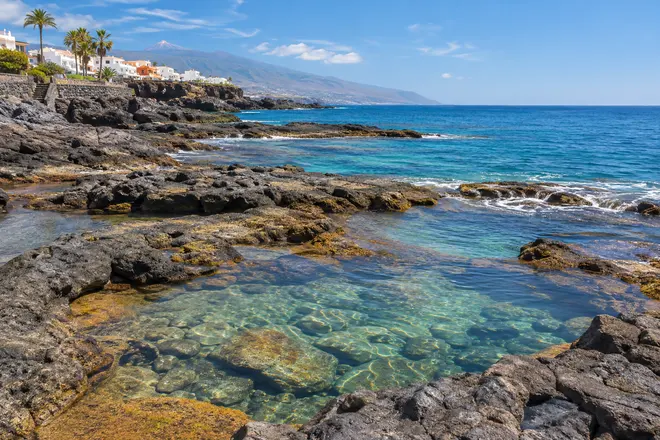
El Puertito lies on the Adeje coast, in the vicinity of Armeñime. Tenerife's visitor information describes its black-sand beach and the marine micro-reserve initiative in the area. From 2005, work was carried out here with an emphasis on conservation, environmental education and recovery of seabeds degraded in association with high numbers of long-spined sea urchins.
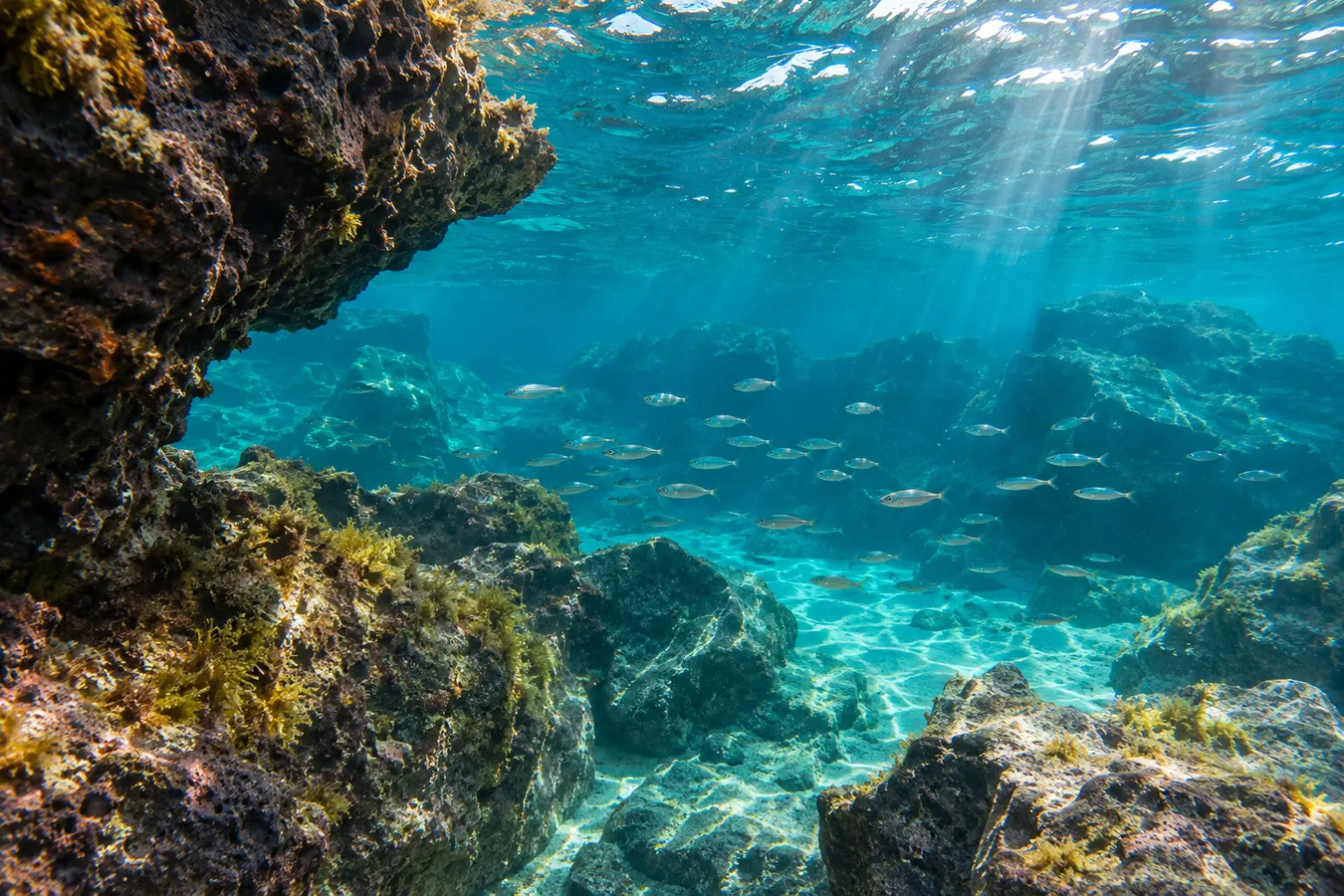
This matters because it demonstrates that the appearance of rocky seabeds is not fixed. A surface with a scattering of organisms and one completely covered in algae might represent different states of the same ecosystem. Grazing species, the availability of shelter, water temperature and human activity influence this landscape.
Some recovery processes happen slowly and are barely apparent to people who visit the coast only once. A rock might look like little more than a mineral surface, but its gaps and holes provide shelter for small creatures, and the plant life growing on it can provide food. Avoiding contact with the seabed, leaving algae in place and keeping litter out of the water are basic ways to respect this environment.
Green turtles in the Canary Islands
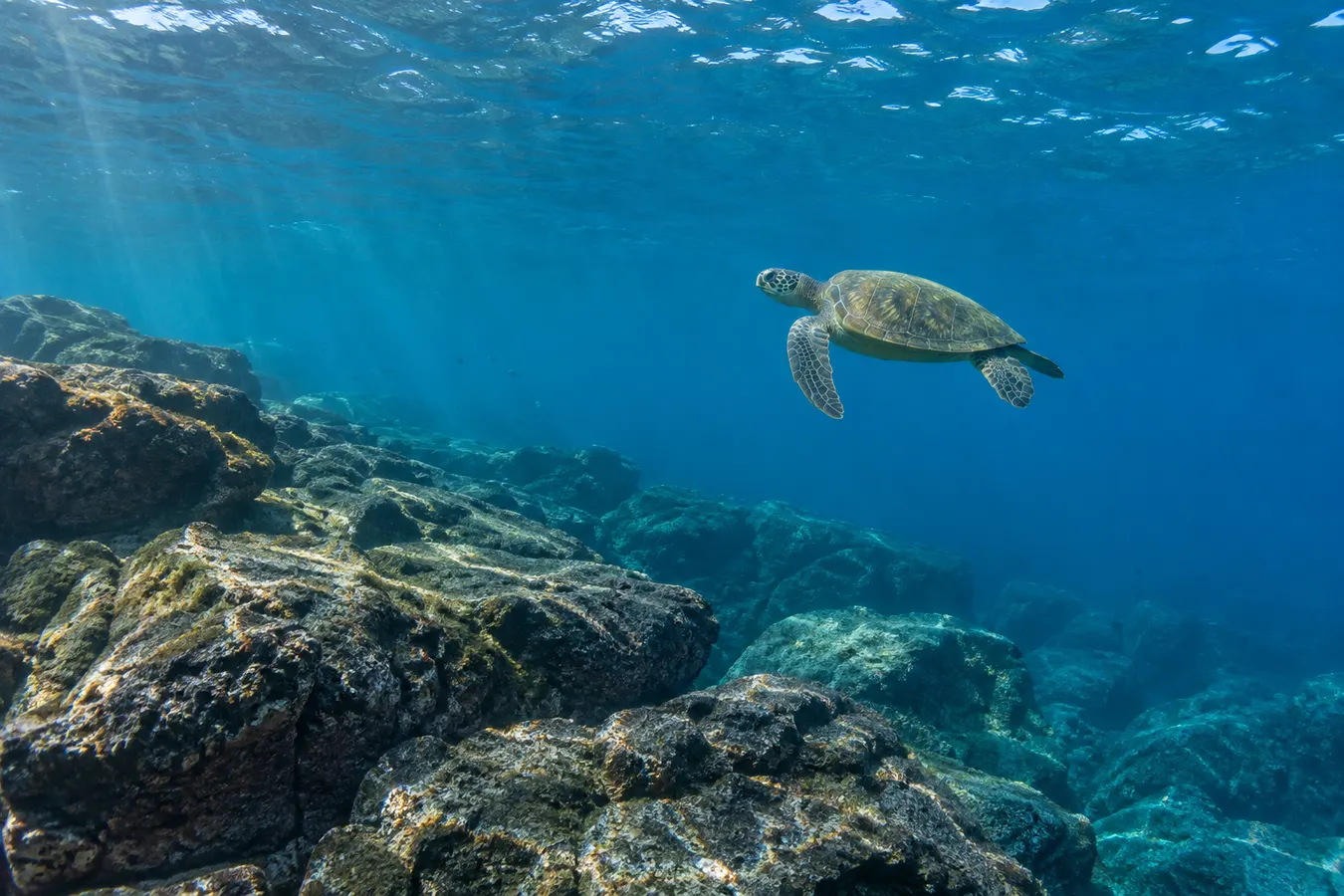
The green turtle, known scientifically as Chelonia mydas, is one of the sea turtle species that use Canary Islands waters. It can travel great distances and occupy different habitats at different stages of its life. Various coastal areas with marine vegetation provide feeding grounds. Plant matter forms a particularly important part of an adult's diet, although feeding habits change during development.
Green turtles must come up for air, can rest on the seabed and move between habitats in response to many different circumstances. The fact that one has reached the surface does not mean it is seeking human company. When one person swims towards it and another tries to get it closer for a photograph, the animal is being presented with unnecessary obstacles.
Other sea turtles also occur in the archipelago's waters, including loggerheads. Do not feel the need to assign a species to every outline glimpsed among the reflections on the sea. Positive identification requires looking at features that might be indistinct at a distance. It is better to accept a sighting without being able to name the species than approach the animal to obtain that information.
Related reading: Snorkelling in Alcalá and along the Guía de Isora coast.
What to do if you see a turtle
If you see a turtle from the surface and you are in an area where swimming is permitted, continue to give it all the space it needs. Do not change your route to follow it, surround it with other people or position yourself in front of it. If it comes up to breathe, keep your distance and do not obstruct its access to the air.
Feeding a turtle is particularly inappropriate. It can change the animal's relationship with people and alter its feeding behaviour. An animal that starts associating human presence with food is not benefiting from a harmless encounter. For the same reason, do not throw food into the sea intending to attract fish for a photograph.
Avoid touching the shell, even if the animal happens to be close to you. The fact that a turtle does not immediately swim away does not make an interaction acceptable. When it leaves, let it go. You do not need to accompany it to the next place where it might rest or feed.
If you notice an animal that appears injured, stranded or entangled, alert the emergency services or the people responsible for the beach. Do not attempt to capture it or give it food, drink or medical treatment yourself. Follow instructions from professionals.
Other inhabitants of the cove
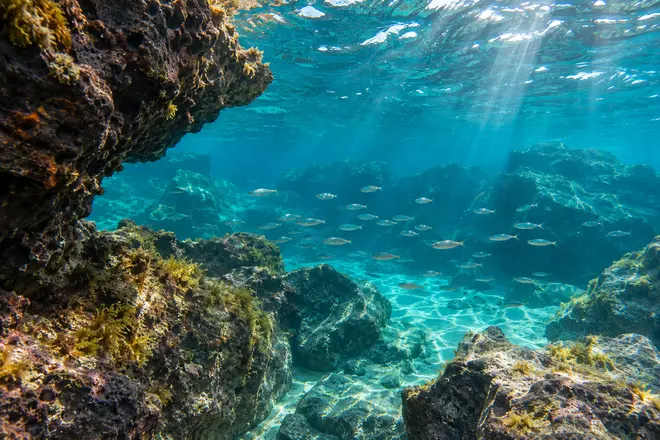
Spend a little time observing the differences between individual fish rather than waiting for one particular species to appear. Damselfish and seabream are part of the scenery on many Canary Island seabeds. The bodies of silver-coloured fish catch the light as they change direction. Some marine organisms remain attached to the substrate while others travel through areas between rocky and sandy ground.
Not all shapes underwater are immediately recognisable as animals. Sponges, anemones and other invertebrates may be overlooked by somebody who has only recently started looking at the seabed through a mask. An octopus occupies sheltered places and can change its colouration, so do not move stones in the hope of finding one.
Marine vegetation deserves attention, too. Algae are not just a chance occurrence along the shoreline and can offer food or shelter to other species. Notice places where the plant coverage changes but do not try to collect a sample. If you later want to learn more about the organisms in a photograph, you can compare their characteristics with those in a wildlife guide.
Visiting somewhere small
El Puertito does not have the same capacity as Tenerife's large urban beaches. Access and opportunities for parking are limited. Before you come, check whether building work, local restrictions or conservation measures have affected access and swimming. Do not cross private property or park in places where you might obstruct others.
A good principle is not to make the success of your whole day depend on being able to get into this particular cove. If you arrive and it is very crowded, or there is swell, wind, poor visibility or uncertainty about any instructions, make other plans. Follow all signs and guidance on permitted areas. The small size of the bay does not ensure safe conditions.
For somebody attempting snorkelling for the first time, a beach with lifeguards, an easy entry and more space might be a better option. Turtle sightings should not become an incentive for a person with limited experience of swimming to venture farther offshore.
Bringing home memories without disturbing the ocean
You do not have to come back from El Puertito with the closest possible photograph of a turtle. A picture taken at a distance, a little sketch made afterwards or notes about fish colouration can be just as pleasant a reminder of your day. Avoid publicising the precise position of an individual animal or suggesting that others could reproduce an encounter by pursuing one.
The value of this bay also lies in the space available to wildlife when there is nobody watching. During the hours when there are no visitors in the water, its inhabitants continue to feed, rest and move about. If we respect that continuity, human visits can occupy a very small part of the life of the bay instead of changing it.
There are many interesting coastal landscapes in Tenerife. Leaving your itinerary flexible lets you find alternatives without seeking a particular experience at any cost. Appreciating El Puertito can mean simply admiring the terrain from the sand and moving on, knowing that the seabed remains as you found it and its inhabitants retain their freedom of movement.
Explore next: Snorkelling in Tenerife.