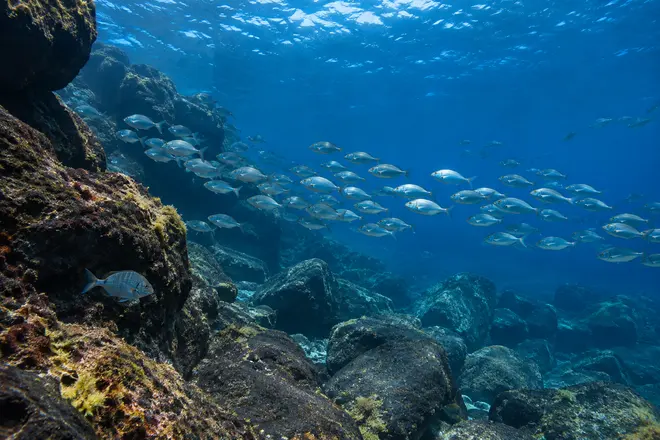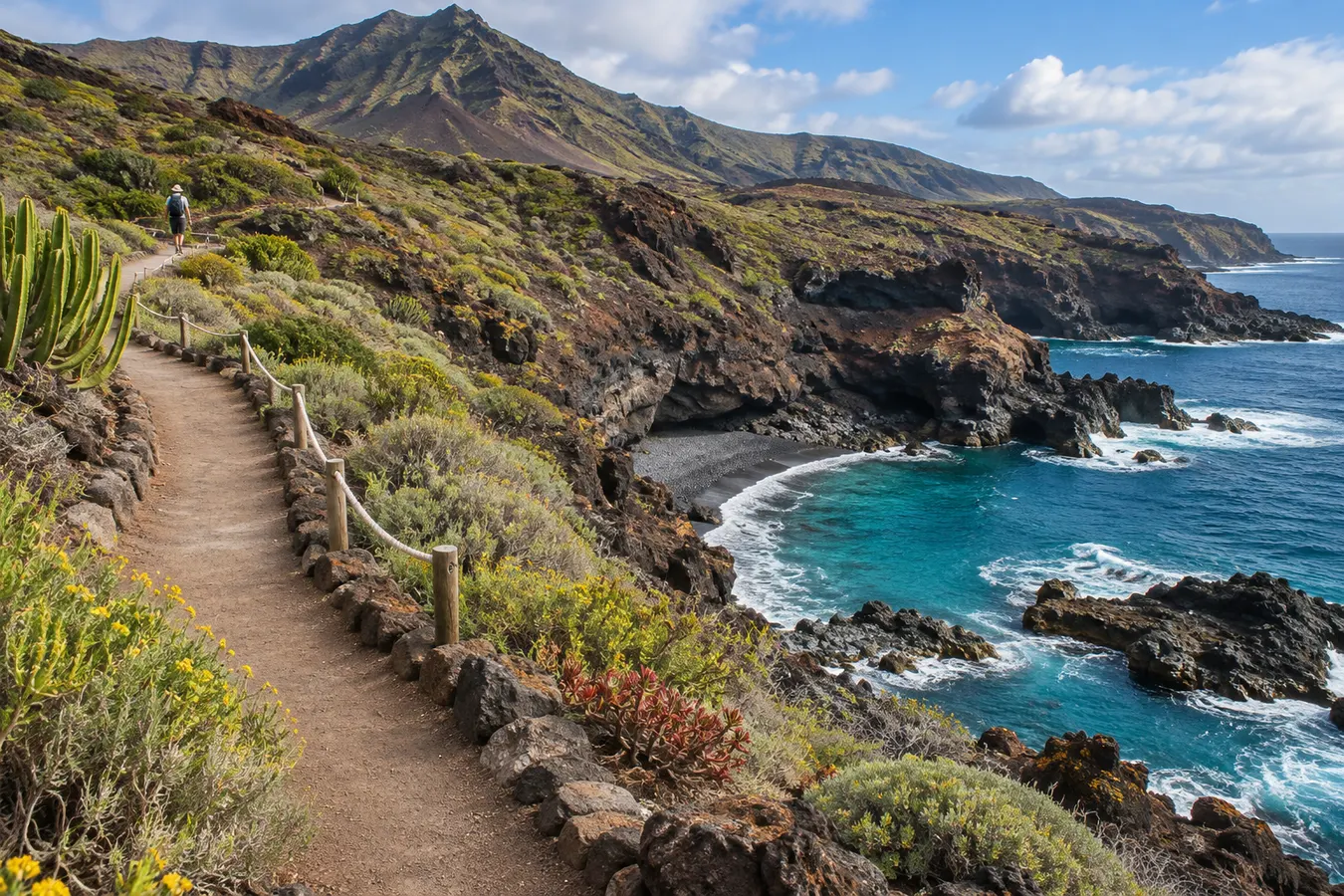
Standing on land, we see only a small fraction of the marine heritage of the Canary Islands. Rocky surfaces, submerged slopes and underwater meadows support communities that cannot readily be seen from the beach. A group setting out for a paddle or a snorkelling session travels through areas inhabited by animals sensitive to changes that may seem insignificant to a visitor.
Responsible tourism begins before you get into the water. It means selecting an appropriate access point, understanding the restrictions that apply to a place and learning to recognise situations in which your presence affects the behaviour of wildlife. You do not have to be a specialist in marine biology. A few straightforward decisions have an immediate influence on the way we interact with the ocean.
Do not turn a wildlife encounter into a pursuit
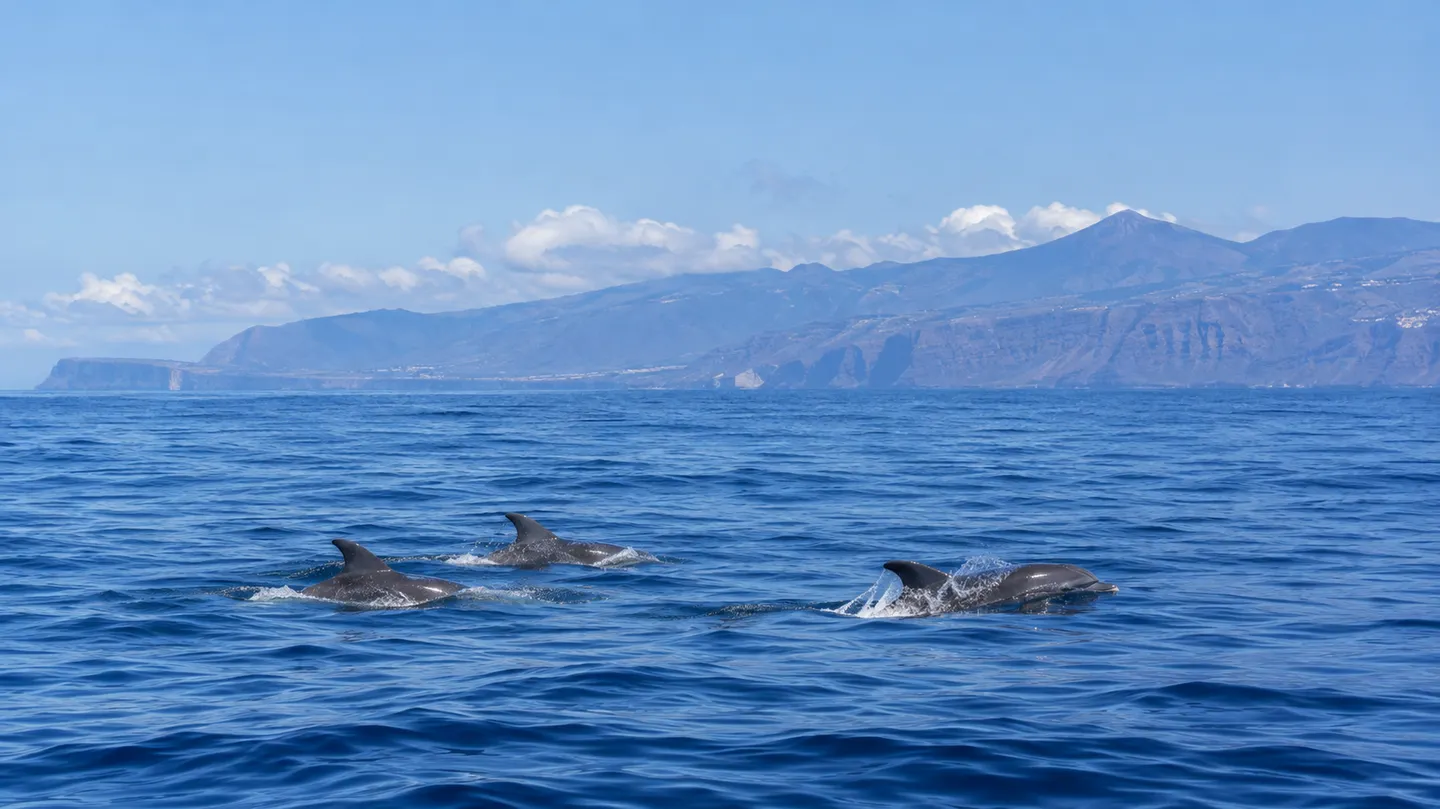
The opportunity to observe marine animals is one of the reasons many people travel to the Canary Islands. A snorkelling session might bring an encounter with fish, rays or other animals that inhabit shallow seabeds. From a boat, in certain locations, it is possible to watch cetaceans.
An animal's behaviour provides information. If it repeatedly swims away, changes direction or takes shelter, following the animal reduces its ability to choose how it uses its own space. Observers should keep their distance and allow each animal to decide whether to remain visible. Do not get between two animals or surround one with a group of swimmers.
Feeding wildlife is also an inappropriate way to attract it. This can alter natural habits and accustom animals to approaching humans. A piece of food that seems harmless is not necessarily an appropriate part of its diet. An artificial concentration of animals also changes interactions between different species.
If a turtle appears during a snorkelling session, do not try to touch its shell or follow it when it comes up to breathe. Enjoy the encounter without turning it into an opportunity to obtain a photograph from a few centimetres away. The most interesting events in the ocean are often those that take place without human intervention.
Cetaceans and wildlife-watching excursions
The southwestern coast of Tenerife and other parts of the archipelago offer opportunities to learn about the presence of whales and dolphins. Recreational cetacean watching is subject to specific regulations. Before choosing an excursion, establish that the operator has the appropriate authorisations and explains how its activities respect the animals.
Good practice rules out pursuing cetaceans, blocking their path or separating them from their group. Neither should anyone attempt to swim or dive with them. Boats need to observe the limitations set by the regulations in force. These precautions have a purpose that goes beyond avoiding physical contact: they help reduce interference with the animals' movements, resting patterns and other natural behaviours.
Related reading: El Hierro and its marine nature: La Restinga and the El Golfo valley.
When a cetacean unexpectedly appears during another water activity, its welfare and the safety of everyone involved remain the priorities. Do not change the objective of your outing to try to catch up with it in a kayak. Give the animals space and follow any instructions from the person leading the activity. A distant photograph or just a few seconds spent observing can be enough.
Protect what lies underneath your fins
The Canary Islands have underwater meadows known locally as sebadales, often dominated by the marine plant Cymodocea nodosa. These communities are mainly found on sedimentary seabeds in particular environments, especially bays and comparatively sheltered stretches of coastline. A variety of organisms find food and shelter among the leaves and around the sediment.
The importance of a particular patch of seabed does not always match its appearance. A seemingly uninteresting expanse of sand may be home to small living things. A stone with no visible fish around it might support organisms attached to its surface. Moving that stone changes the place where they live.
While snorkelling, try to maintain enough clearance from the seabed and avoid supporting yourself on rocks. Fins can cause damage on contact with living organisms or stir up sediment. If the water is insufficiently deep for you to swim without touching the bottom, look for another permitted location where conditions are suitable.
Boats can also have an impact on the seabed, particularly when anchoring. The permitted activities and anchoring areas depend on local rules. Anchors should not be dropped in seagrass meadows, and it is essential to choose services that understand and respect protected marine areas.
Leave every natural feature where it belongs
Taking home a volcanic stone, a shell or a little piece of rock may seem like an act without consequences. The problem develops when thousands of visitors repeat that action. Coastal landscapes are the result of processes that operate on a very different timescale from tourism. Sand, rocks and naturally occurring remains have various roles in the environment.
Avoid changing the terrain to construct stacks of stones. Such accumulations affect places in which small organisms may be present and alter the natural appearance of the surroundings. Do not collect living marine animals from pools or intertidal areas in order to examine them out of the water.
Observation can also satisfy curiosity. You might photograph a rock without moving it, learn to distinguish species by their shapes or note a detail that will later help you identify something you have seen. For children, this kind of exploration teaches them to appreciate the coast as part of the environment rather than a collection of souvenirs waiting to be taken home.
Prepare for an outing with as little waste as possible
The beach is not a convenient place to deal with a collection of lightweight wrappers. The wind can blow an item into the water before anyone manages to catch it. Prepare food, fill a reusable bottle and put small objects in a closed bag before leaving your accommodation.
It also pays to check your equipment. A damaged phone cover, a loose strap or an unsecured item can end up in the ocean. Organising your equipment prevents losses and makes the activity easier. Bring back everything you took, including food scraps and any disposable items.
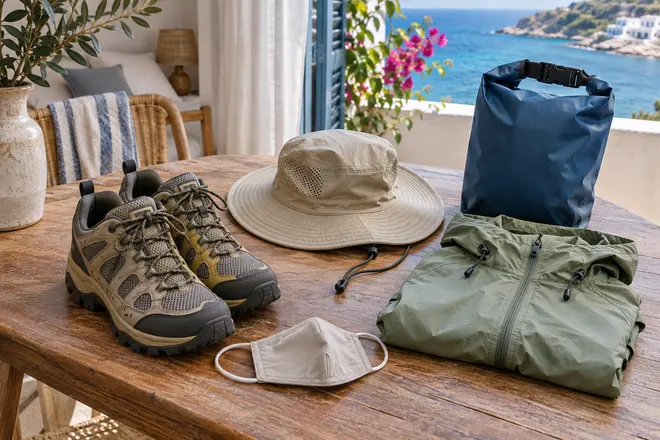
Sun protection is essential during coastal activities. Protective clothing and shade reduce the amount of exposed skin; use appropriate sunscreen as well. Do not apply washing products directly in the sea or use soap in beach showers that are not intended for that purpose. A marketing claim about a product's environmental qualities does not remove the need to minimise pollution.
Establish the restrictions before visiting
Across the archipelago there are protected areas on land and at sea, including reserves and areas intended to conserve particular species or habitats. Each has its own objectives and regulations. The fact that a beach can be visited on foot does not mean every marine or underwater activity is permitted in front of it.
Check access arrangements and permissible activities for the specific place you intend to visit. On a guided excursion, ask about the restrictions that apply to the area as well as the duration of the outing and the animals you might see. People responsible for professional activities need to take both regulations and real ocean conditions into consideration.
Choosing not to go out in unsuitable weather is another part of responsible behaviour. An emergency affects the person in difficulty, those who come to assist and the activities of other visitors. Use appropriate equipment, follow signs and consult the marine forecast. The best day is not necessarily the one in which you travel furthest, but one that leaves the ocean as you found it.
Explore next: Where to stay in Tenerife for active holidays.