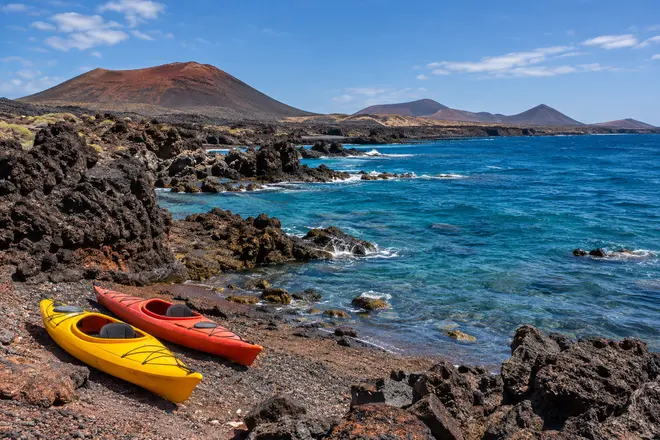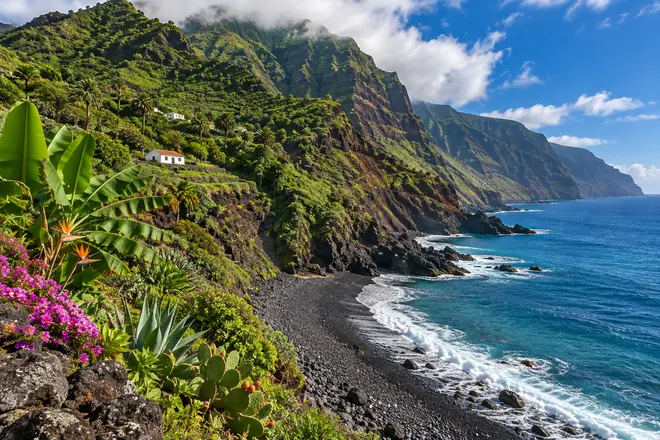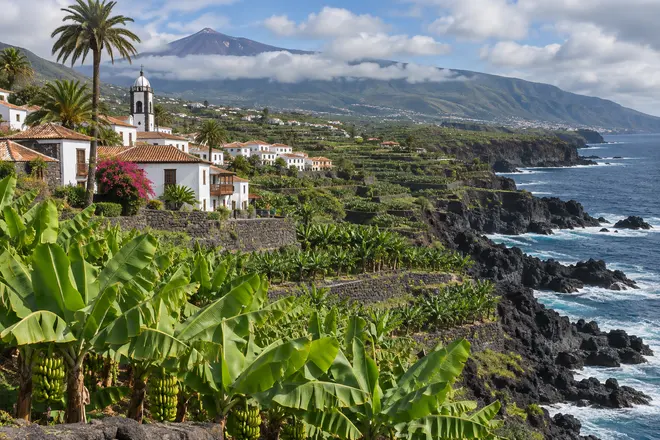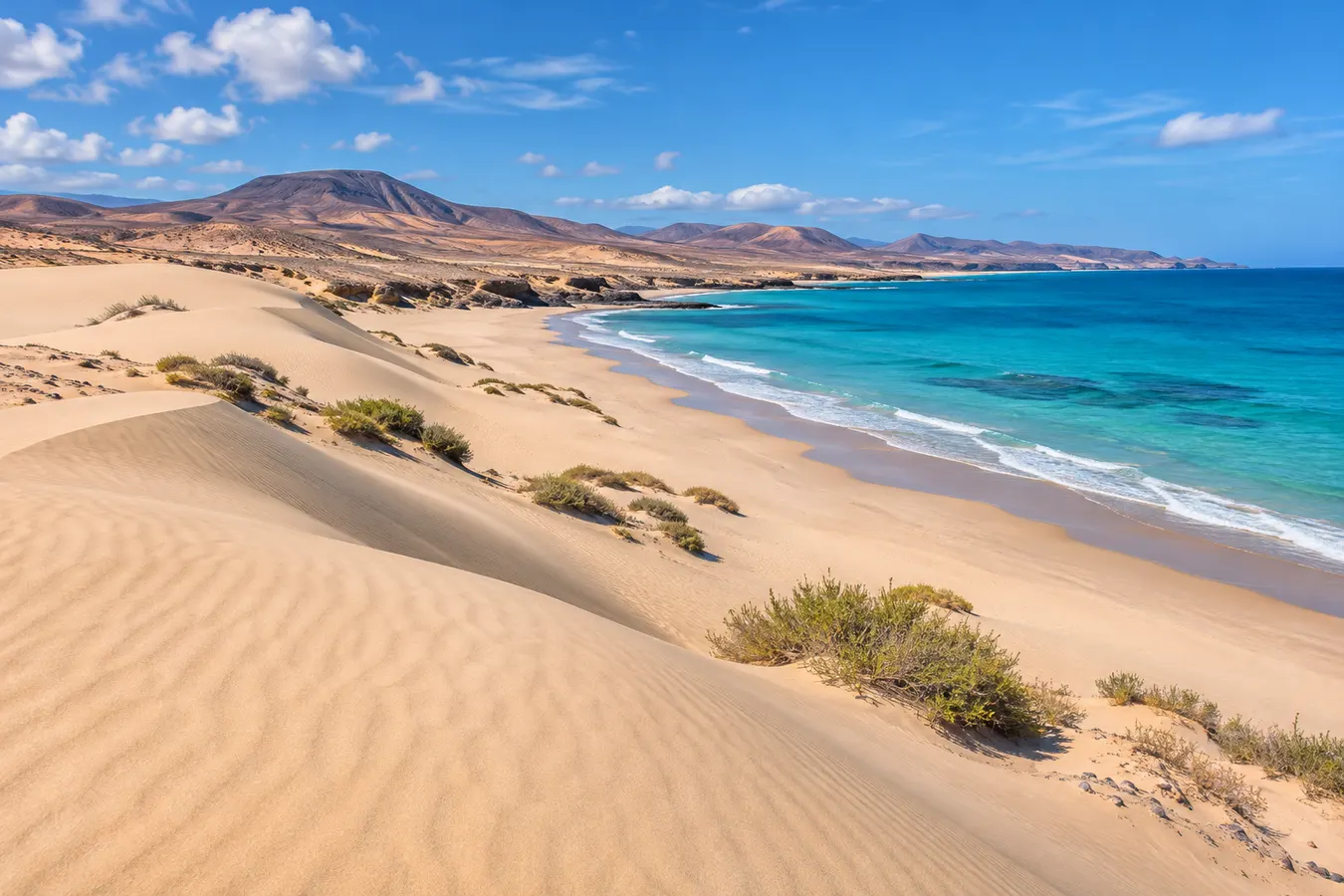
Fuerteventura invites visitors to walk. On some days it is difficult to tell where one beach ends and the next begins, and in several parts of the island pale dunes dominate the horizon. This feeling of space makes for a very different holiday from one spent in a volcanic cove in Tenerife. Even so, not all of Fuerteventura's coastline has the same character. Beaches face different directions, waves approach in different ways and exposure to the wind varies.
To make good use of your time, choose a base according to the areas you intend to explore. Corralejo is convenient for the northern half of the island; Costa Calma and Morro Jable are useful gateways to the Jandía peninsula. El Cotillo retains the feel of a coastal village, while the shore at Cofete is a destination principally for its spectacular wild landscapes.
Corralejo and the expanse of the Great Beaches
The town of Corralejo stands in the northeast of the island, looking towards the little island of Lobos. Its waterfront district offers seaside walks and small beaches close to holiday accommodation. To see one of Fuerteventura's most recognisable landscapes, head towards the protected area of the Corralejo dunes, where accumulations of sand approach the ocean.
The Grandes Playas extend along the coast for several kilometres. Some sections have visitor facilities and lifeguards, while others are more exposed to the sea and have fewer services. If you are travelling with your family or learning to snorkel, give priority to a convenient beach with a permitted swimming area, operating lifeguard services and suitable sea conditions.
Wind is an essential part of the landscape. Certain stretches attract experienced kitesurfers and windsurfers. Some areas are reserved for these activities, so when entering the water make sure you do not get in their way. Nor should you assume that a beach ideal for a wind-powered sport is also an appropriate place for recreational kayaking.
From the town, visitors can look towards Lobos and, beyond it, Lanzarote. To explore the little island it is necessary to find out about authorised means of transport, access restrictions and permitted trails. The distances between coastlines as they appear from land do not convey the difficulty of navigating the straits.
El Cotillo: little beaches and an open coast
El Cotillo stands on the northwestern side of the island, with a village closely linked to the sea and a landscape that changes appreciably when you move away to the north or south. In the northern area there are beaches and small stretches where rocky formations influence the movement of the water. La Concha de El Cotillo is one of the best-known names.
These beaches offer opportunities to look into the water near the shore on calm days. However, rock pools and little inlets should not always be considered safe: their depth and connection to the ocean change with the tides. Surfaces can be slippery and entering the water may become difficult when waves are moving through.
Related reading: Kayaking in Lanzarote and the volcanic coast of Los Ajaches.
Other stretches of the coast near El Cotillo are characterised by Atlantic waves. The conditions may appeal to experienced surfers without necessarily being suitable for swimming or learning to kayak. If you prefer a visit on land, you can walk around the village, watch maritime activity or spend time appreciating the coastline from a designated location.
Sotavento and a landscape that changes with the tide
Sotavento beach, on the southeastern side of the Jandía peninsula, is not a single uniform expanse of sand. It extends along a series of beaches, including La Barca and Risco del Paso. Changes in the shape of sandbanks and the movement of the tides have a considerable influence on when and where shallow water appears.
This is one of the names most closely associated with wind sports in Fuerteventura. Conditions in certain sectors suit people undertaking these activities with specialist equipment, and there are opportunities to take lessons. Respect the areas set aside for each sport and ask the instructor how access is organised.
For someone who simply wants to walk, the landscape proves equally rewarding. Little lagoons appear and disappear, the beach is remarkably extensive, and the pale tones of the sand catch the light. Carry enough drinking water and sun protection, and plan the return journey with the wind and state of the tide in mind.
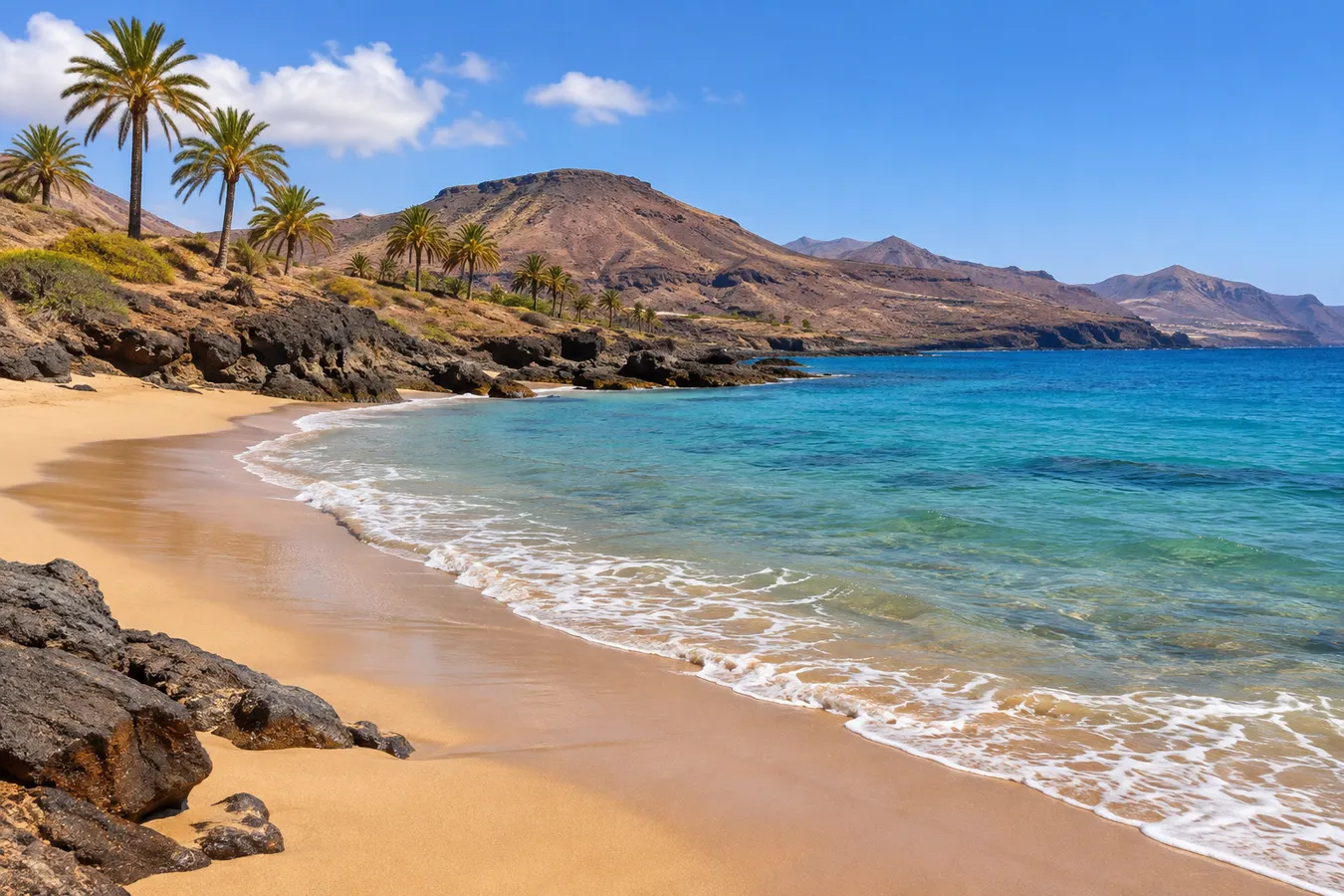
It is not advisable to cross a channel to reach a sandbank if changes in the tide might cut off your return. Respect the signs and remain within authorised areas. Consulting tide times can improve your understanding of the landscape, but is no substitute for the instructions of beach safety personnel.
Morro Jable and southern Jandía
Morro Jable provides a gradual transition from a coastal town to an extensive area of holiday accommodation and beaches. One advantage of this part of the island is the possibility of spending several days near the ocean without having to set out on long journeys each morning. Views along the peninsula and landmarks such as the lighthouse help visitors orient themselves during their walks.
When selecting an area for swimming, check the access arrangements and the facilities available. A gently active day might combine a walk by the sea with a swim in suitable conditions. Those hoping to take part in a specific water sport should investigate the permitted access to the ocean and what kind of assistance is available in advance.
If you are looking for somewhere to stay for several days, take note of the gradient between the accommodation and the beach. Some properties stand a short horizontal distance from the shore yet require a walk up or down steep slopes. This detail becomes important when returning after a tiring morning of activity or travelling with children and beach equipment.
Cofete, one of the best landscapes to discover on land
Cofete occupies part of the western coast of Jandía. Mountains rise behind a vast expanse of sand, producing one of the island's most remarkable views. The isolation and the influence of the ocean are essential elements of its character.
Waves and currents in this area can be extremely dangerous. Cofete is not a beach to include in a swimming, snorkelling or kayaking itinerary merely because it has such a long shoreline. The most rewarding way to enjoy the beach is from accessible places on land and away from the breaking waves.
Before visiting, check the condition of the approach road, the rental conditions for any hired vehicle and the weather forecast. The route does not have the characteristics of an urban road. Bring drinking water and do not count on finding the same facilities as you might at a beach close to your accommodation.
Arrange the week around the wind and activities
A stay in Fuerteventura grows more rewarding when plans are allowed to change. Identify several beaches with different characteristics beforehand, and leave a free day for the interior or a visit to a village. Consult specific wind and marine forecasts and assess conditions again once you reach the shore.
For sea kayaking use appropriate equipment, avoid paddling on your own and seek qualified help if you lack experience. For wind sports, a supervised introduction in the designated area is preferable to attempting to use unfamiliar equipment without assistance. If the authorities advise against swimming, accept that advice.
The island makes it possible to take long coastal walks, look at the changing landscapes and get to know little towns with a maritime heritage. An active holiday here does not have to be measured in the number of hours spent in the water.
Explore next: Where to stay in Tenerife for active holidays.