There is no single kind of Tenerife beach. On the same morning, you could have breakfast beside a breakwater where the surface scarcely ripples, then drive to a black cliff being pounded by the Atlantic. The colour of the sand tells you something about the setting, but remarkably little about sea conditions. To choose well, it helps to decide what you actually want to do. A cove included in a list of romantic hideaways might be an awkward place to carry snorkelling equipment. An apparently unadventurous urban beach, on the other hand, may offer a simple approach to the water and an excellent walk to round off a day of exercise.
The south and south-west coast: a convenient base
Los Cristianos retains elements of its former fishing village character alongside the port and town beaches. Visitors staying here can walk to Las Vistas, with its generous expanse of sand and numerous facilities. These details matter if you are travelling with children, someone who would rather sit out a water activity, or someone who needs a rest after sustained exercise. The object of the day need not be eight hours in the sea. A morning afloat can be followed by a leisurely lunch and an afternoon with a book, without having to retrieve the car or negotiate a distant parking area.
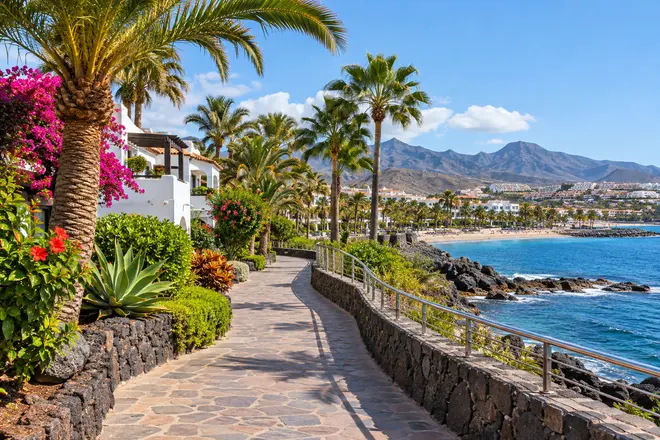
In Costa Adeje, the promenade linking parts of Torviscas, Fañabé and El Duque makes moving between beaches surprisingly straightforward. It is a practical possibility for a short holiday, particularly if you are trying to balance comfort with being active. Not all the beaches and coves face precisely the same direction or respond identically to changing wind. There are opportunities from the promenade to see what the waves are doing before settling down. A late afternoon walk is also a lovely way to appreciate the shape of the coastline without competing for a front-row place beneath a parasol.
The coast around Alcalá and Playa San Juan appeals to people who prefer a setting less dominated by large resorts. Small stretches of beach, working harbours and rocky sections make this a rather different shore from Fañabé. Distinguishing designated bathing areas from harbour waters is important. Finding fish beside some rocks, for example, does not make an entry beside a boat ramp suitable for snorkelling. On a day when the sea makes planned activities impractical, a stroll around these coastal settlements is still well worth taking. You can see something of everyday village life beyond the beach.
El Médano and La Tejita on windy days
Wind is a characteristic part of the landscape in the south-east of Tenerife. El Médano brings together board-sport schools, squares, café terraces and a long beach close to the centre of the village. Kites in the sky in certain areas tell you that there are participants below who need considerable space to manoeuvre. It is not a good time to try to find a gap between them for an entirely different activity. Respect the designated zones for different water sports, even if the shallows close to land initially look inviting.
Related reading: Las Teresitas beach: a morning by the sea near Santa Cruz.
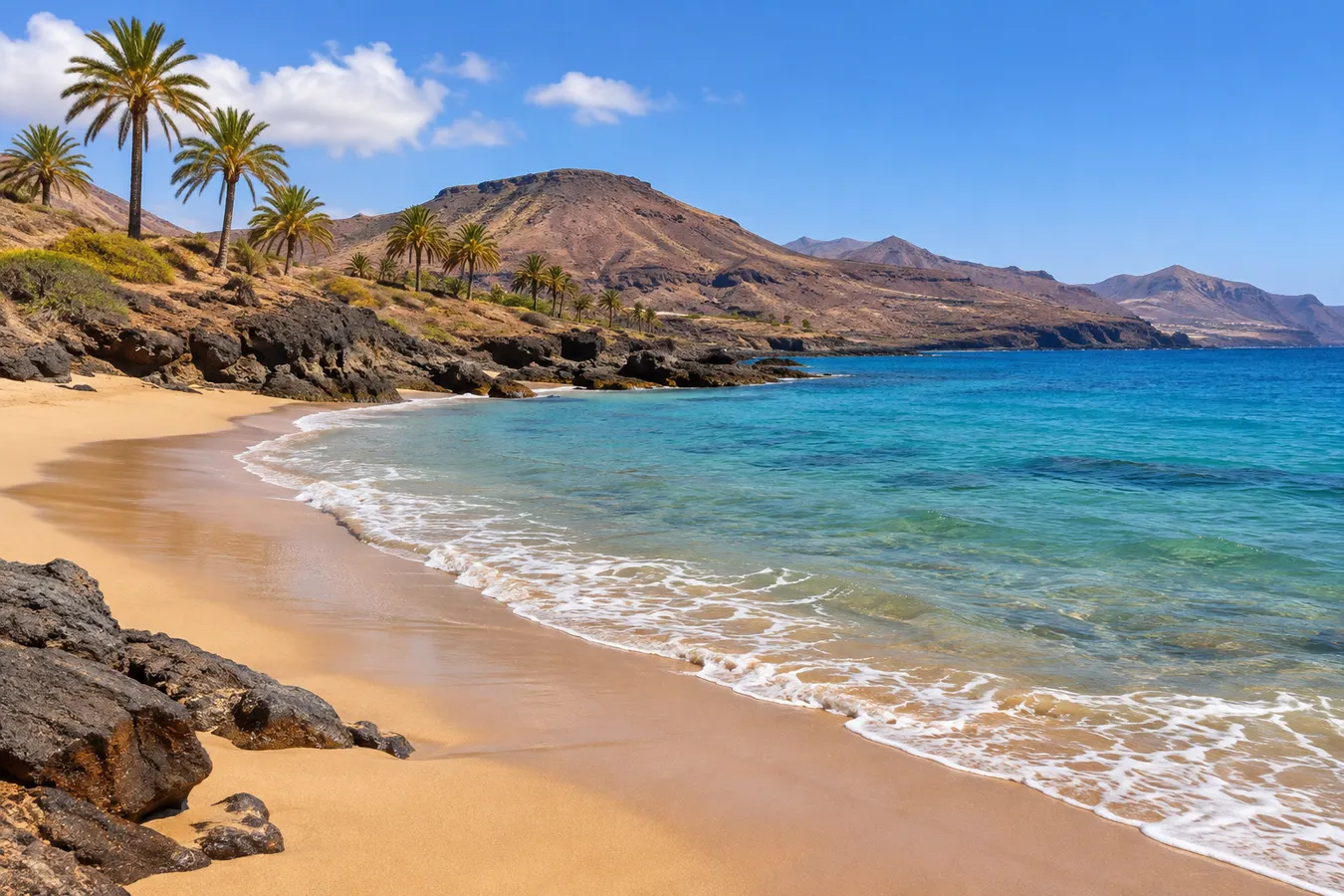
La Tejita extends away on the opposite side of Montaña Roja. What stands out here is the scale of the beach and the sense of being outside a developed resort centre. You can see the effects of the wind in patterns across the sand and the shape of coastal vegetation. This is a protected landscape, so staying on established paths and taking rubbish away are part of a visit. Bring sun protection and consider where you might take a sheltered rest. On an especially windy day, photographs of the landscape or an outing into El Médano may be more rewarding than a prolonged afternoon lying on the beach.
Las Teresitas, a beach near the capital
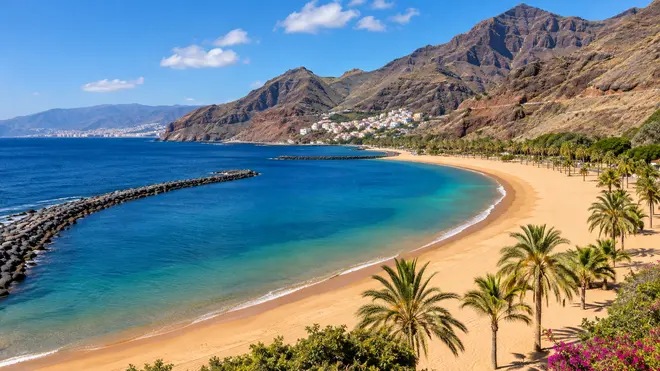
The pale sand at Las Teresitas is a surprise if you arrive from the black, stony north of the island. Its regular shape and offshore breakwaters are elements of this altered coastal setting beside San Andrés. It makes considerable sense for a visitor staying in Santa Cruz who wants a few hours by the sea without having to organise a complicated trip. The length of the beach invites you to walk from one end to the other, although a shorter stretch will suffice in very hot weather. You will also find streets and places to eat in San Andrés when you are ready to leave the sand behind.
Shelter from ordinary waves does not mean that every set of conditions is suitable for swimming or water sports. Currents, other water users and the separation of activity areas continue to matter. Someone learning to swim or trying a new technique needs appropriate instruction and a controlled setting. During adverse weather, even a beach known for relatively calm water can call for precautions that many visitors associate exclusively with Tenerife's north coast. Before going in, pay attention to signs, the beach flag and any lifeguard instructions. A supervised place to swim is not the same thing as a risk-free sea.
The north coast changes the pace of a holiday
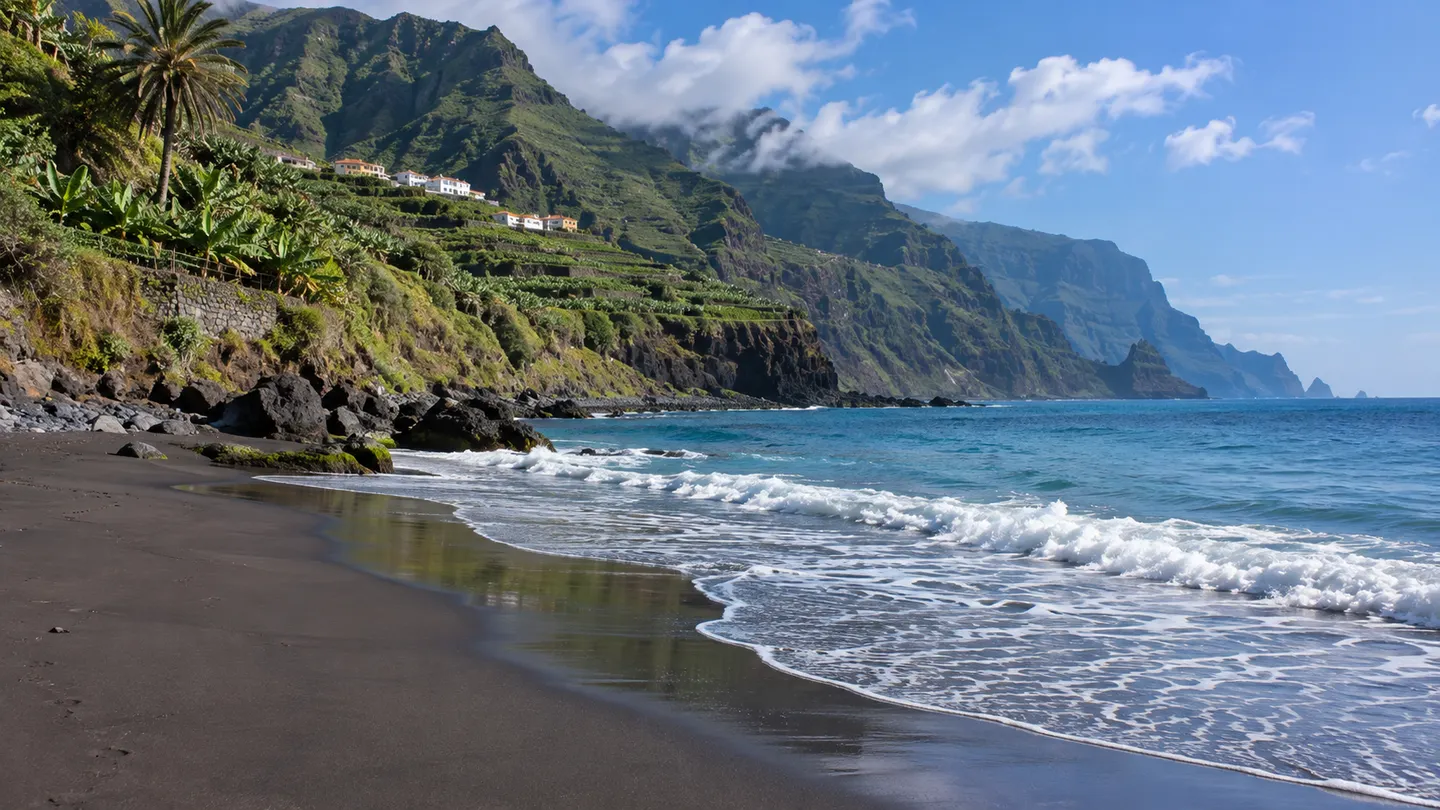
Benijo, Almáciga and Roque de las Bodegas make three distinct visits around Taganana. Offshore rock formations, green Anaga hillsides and dark layers of sand give this part of the island a completely different outlook from an organised southern resort beach. It is a wonderful destination for photography, for an introduction to the geology of Tenerife and for eating close to the ocean. The north-coast waves and currents, however, can be powerful. These are not places to plan a first snorkelling session or an improvised sea-kayaking adventure.
Closer to Puerto de la Cruz, El Bollullo offers a view of the transition between cultivated land, ravines and a volcanic shoreline. Getting there involves paths and steps, which is particularly relevant if you are carrying heavy equipment. El Bollullo does not have to be a bathing destination to justify travelling there. A brief visit when the forecast is favourable and access is open allows you to appreciate its cliffs and black sand without feeling obliged to spend the entire day. Plans often need to change along Tenerife's north coast, and this need not turn a holiday into a disappointment.
Planning a beach day around an activity
If your principal objective is a water activity, select the beach according to its suitability at the specific time of your visit, not its reputation. Someone with a mask and fins will look for rather different conditions from those wanted by a surfer. Ease of leaving the water and the location of designated activity areas matter too, and cannot necessarily be judged from a map. An online picture captures a single instant; the conditions in that picture are not tomorrow's marine forecast. There is also a difference between a sheltered swimming beach and a suitable place to launch a particular vessel.
On a day with walking as its focus, start with an accessible stretch of connected waterfront such as Costa Adeje, or a long beach such as Las Teresitas. If nature is the priority, a few hours watching the seascape from land around Benijo or Montaña Roja are rewarding, provided you remain on established public access routes. Seawater pools present a further possibility when they are open and conditions are suitable. These alternatives mean that you need not persist with an idea that no longer makes sense. An active holiday should never depend on entering the water at a predetermined hour.
Organising a week without constantly crossing the island
A convenient place to stay reduces the accumulated fatigue of a week of outdoor activity. From Los Cristianos or Adeje you can organise several days in the south-west and set aside one for the north-east. From Santa Cruz it is tempting to visit Las Teresitas after a morning spent elsewhere, while Puerto de la Cruz is a useful departure point for northern outings. Trying to visit all these beaches on one day rarely leaves time to understand how they differ. It is more worthwhile to select one or two areas, take a good walk, have something to eat and adjust the programme to the actual condition of the sea and how energetic you feel.
Explore next: Kayaking and snorkelling in Tenerife.